What are some hidden historical landmarks in Khao Lak that most travelers overlook?
Khao Lak features several hidden historical landmarks that travelers often miss, offering insight into the area's rich history. Here are some noteworthy sites:
1. Tsunami Memorials:
- Police Boat 813 Memorial: Located in Bang Niang, this memorial showcases the 813 Patrol Boat washed ashore by the 2004 tsunami, serving as a reminder of the tragedy with informational plaques for visitors.
- Ban Nam Khem Tsunami Memorial Park: This park honors tsunami victims with a curved wall inscribed with names and a statue symbolizing a wave.
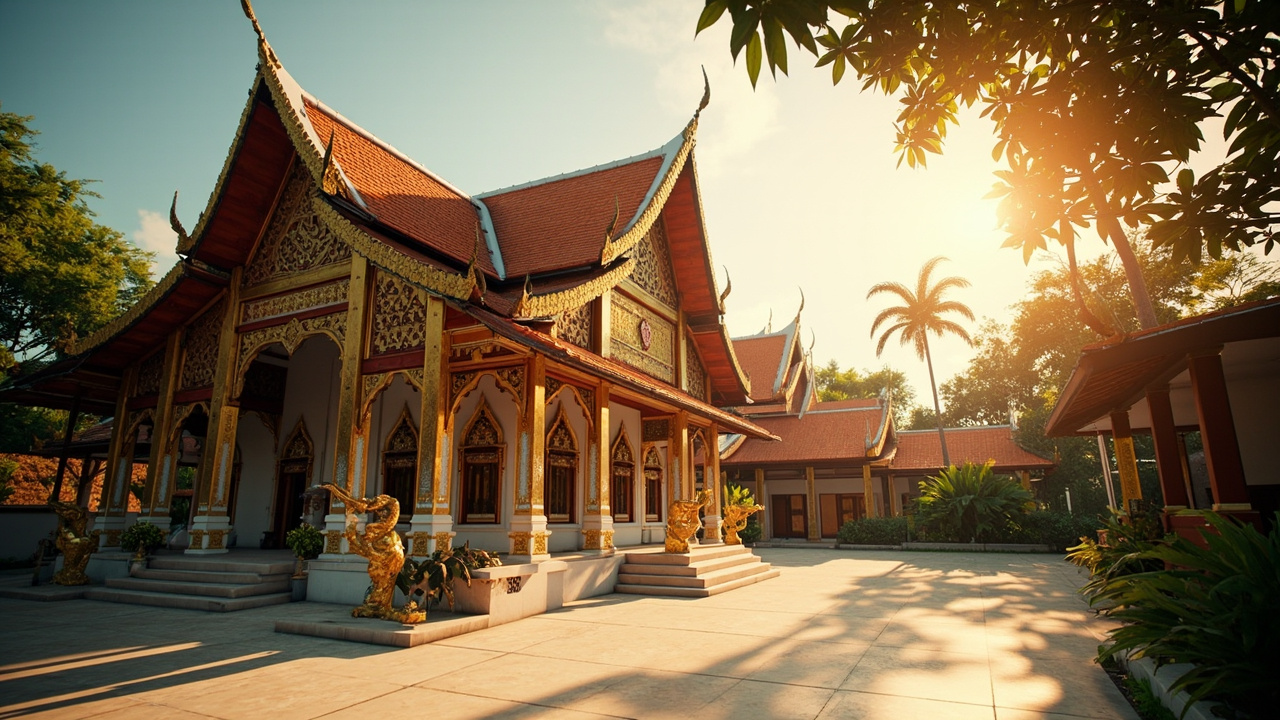
2. Wat Khuk Khak: This serene Buddhist temple in Khuk Khak is historically significant, as it served as a temporary morgue after the tsunami and now stands as a place of peace and reflection.
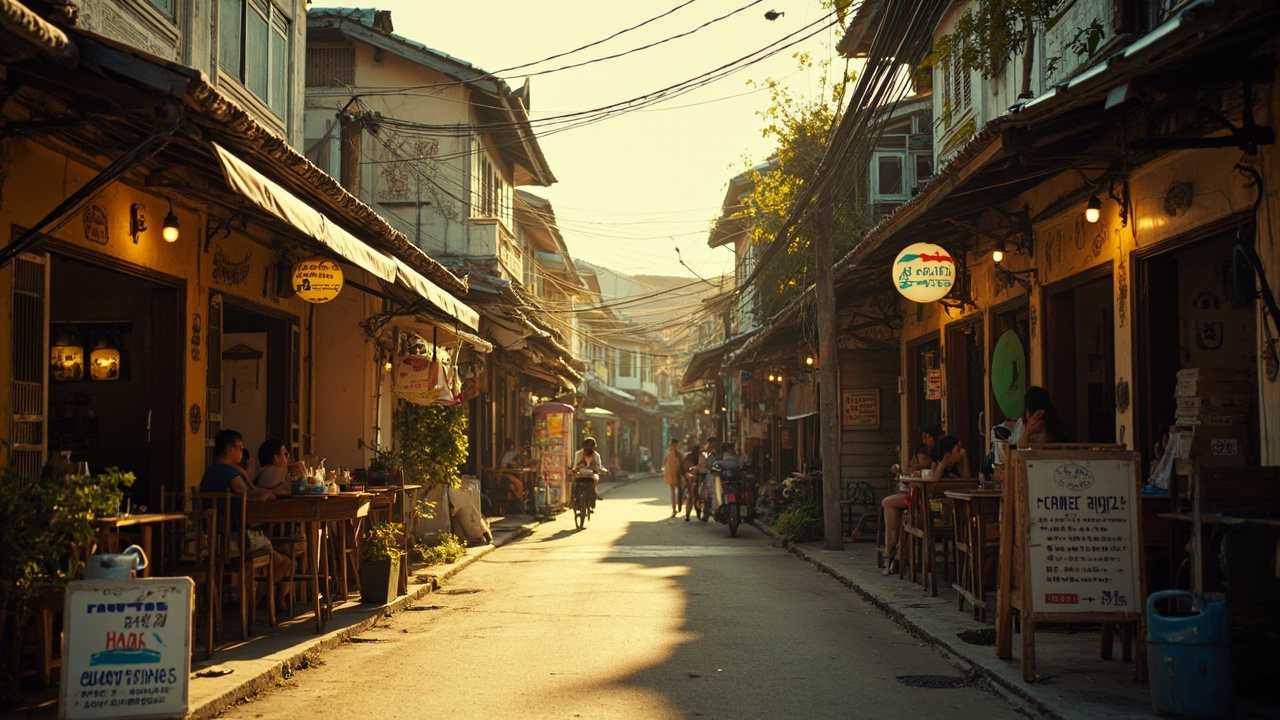
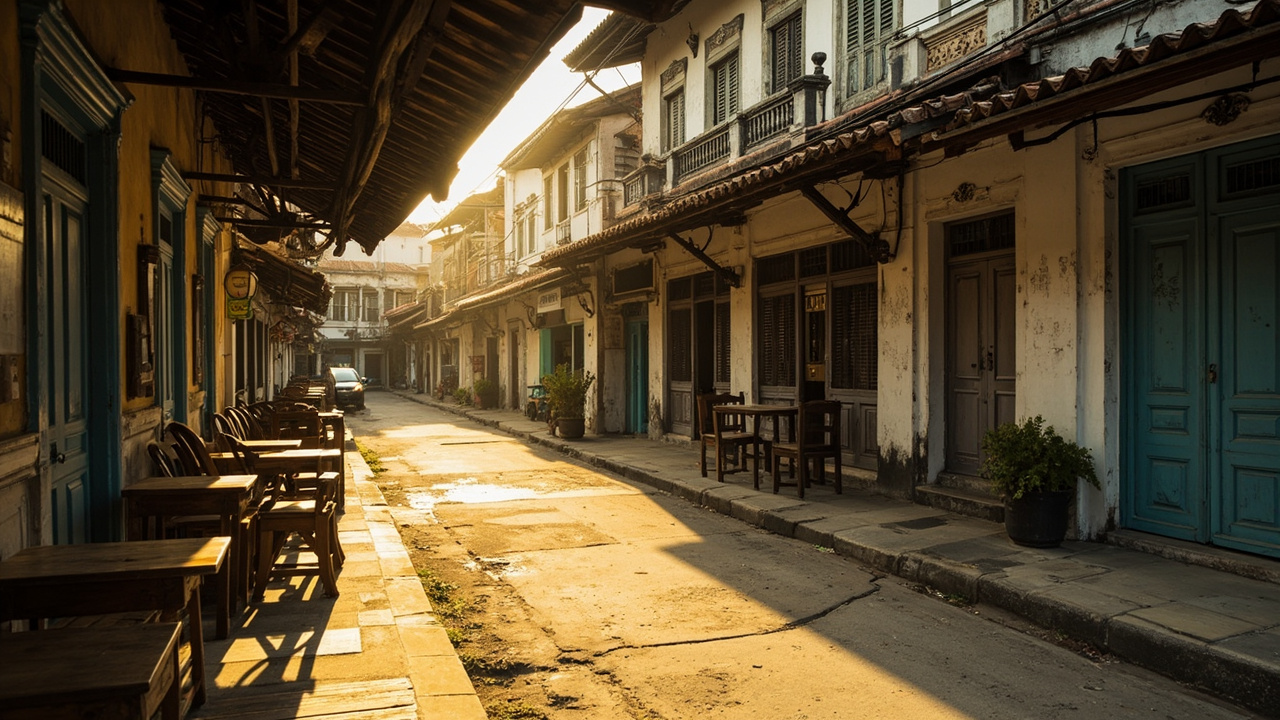
3. Takua Pa Old Town: North of Khao Lak, Takua Pa features charming Sino-Portuguese architecture and heritage buildings from its tin mining era, with quiet streets that reveal local history and a Sunday walking street market for cultural insights.
4. Khao Lak-Lam Ru National Park Trails: The national park contains trails with remnants of the area's history, including old rubber plantations and early settlement signs along trekking paths.
5. Traditional Fishing Villages: Smaller coastal villages offer a glimpse into enduring traditional fishing practices and lifestyles, featuring older fishing vessels and methods still in use.
6. The Sea Gypsy Community: Near the Surin Islands, the Moken people maintain their cultural customs and history, providing insight into the region's maritime traditions.
These lesser-known sites enhance the understanding of Khao Lak's history beyond its beaches. Engaging with local guides can further enrich the experience, as they share stories and insights about these landmarks.
Asked 18 Mar 2025
Pak Weep Beach is primarily known for its beautiful coastline and tranquil atmosphere, but nearby historical landmarks enhance the area's cultural depth for travelers. Here are some reasons these landmarks stand out:
1. Cultural Significance: They reflect the rich cultural heritage of the region, telling stories of local communities and traditions.
2. Architecture and Style: Landmarks showcase unique architectural styles influenced by various cultures, including traditional Thai and colonial designs.
3. Cultural Sites: Temples like Wat Phra Thong serve as places of worship and historical significance, featuring stunning artwork and serene surroundings.
4. Stories of Resilience: Many sites carry narratives of resilience, particularly following the 2004 tsunami, illustrating how the community rebuilt its cultural identity.
5. Connection to Local Life: Visiting these landmarks can provide opportunities to engage with locals and participate in community events or rituals.
6. Scenic Beauty: Historical sites are often located in visually appealing settings, offering excellent photography opportunities.
7. Educational Value: Informative displays and guided tours help visitors understand the significance of these landmarks, enriching their experience.
8. Accessibility to Other Attractions: These sites are often near other attractions, allowing for a more comprehensive exploration of the region.
In summary, historical landmarks near Pak Weep Beach offer cultural insights, architectural beauty, and opportunities for interaction with the local community, enriching the travel experience in southern Thailand.
• Consider joining guided tours to gain deeper insights and avoid missing hidden gems that may not be well advertised.
• Visit early in the morning or later in the afternoon to experience these sites with fewer crowds and better lighting for photography.
• Engage with local historians or community members at landmarks to enrich your understanding of the area's cultural heritage.
• Always ask for permission before taking photographs of people or their property, as this shows respect for their privacy and culture.
• Participate in local events or ceremonies if invited, as this fosters goodwill and a genuine connection with the community.
• Learn a few basic phrases in Thai to communicate with locals, enhancing your interactions and demonstrating your appreciation for their culture.
What historical landmarks in Khao Lak are particularly significant for understanding the local culture?
One standout site is Wat Khuk Khak, a serene Buddhist temple that not only offers a glimpse into local spirituality but also played a vital role during the 2004 tsunami as a temporary morgue, making it a poignant symbol of resilience.
• Another key location is the Takua Pa Old Town, which showcases the region's rich Sino-Portuguese architecture. Walking through its charming streets, you can feel the blend of cultures that have shaped the area, especially during the bustling Sunday market where local crafts and foods come alive.
• The Police Boat 813 Memorial in Bang Niang stands as a stark reminder of the tsunami's impact, illustrating the area's history and the community's journey towards healing. It's a place where you can reflect on the past while appreciating the beauty surrounding it.
Asked 15 Oct 2025
Start by choosing less crowded times to visit these sites, like early mornings or late afternoons, which allows you to enjoy the landmarks peacefully while minimizing your impact on local routines.
• Engaging with locals respectfully is key; consider asking for permission before taking photos, especially in residential areas or during community events. This shows that you value their privacy and culture.
• Participate in local ceremonies or festivals if you're invited-it's a wonderful way to connect and gain insight into the community's traditions while showing your appreciation.
• Learning a few basic Thai phrases can also go a long way in expressing your respect and willingness to engage with the community, making your visits more meaningful.
Visiting historical landmarks can be a fantastic way to engage your family with the local culture and history. Consider places like Wat Khuk Khak, where kids can learn about Buddhist traditions in a peaceful setting.
• Plan a visit to Takua Pa Old Town, where the family can explore its charming streets, try local snacks, and participate in the Sunday walking market filled with crafts and activities for children.
One hidden gem is the old rubber plantation just outside of town, where you can take a scenic walk and learn about the region's agricultural history. It's a quiet spot perfect for photos and reflection.
• Another interesting site is the local fishing village still practicing traditional methods. Engaging with the fishermen can give you insights into the community's lifestyle and history, making for a memorable experience.
During the rainy season, some landmarks might be less accessible due to muddy paths or flooding, particularly in rural areas. It's a good idea to check local updates before heading out to ensure a smooth visit.
• On the other hand, visiting during the dry season typically means clearer views and better conditions for walking tours, making it easier to explore sites like the Police Boat 813 Memorial without interruption.
Local guides can provide rich narratives and historical context that bring the landmarks to life. They often share stories that you won't find in guidebooks, creating a more immersive experience.
• Additionally, they can help you navigate the area and connect with local communities, which can lead to unique opportunities like participating in cultural events or ceremonies. This personal touch makes your visit much more meaningful.
What are some historical landmarks in Khao Lak that are great for photography enthusiasts?
The Police Boat 813 Memorial is a striking site, where the juxtaposition of the rusted vessel against the backdrop of the ocean creates powerful imagery that tells a story of resilience.
• Wat Khuk Khak, with its serene architecture and intricate details, offers beautiful opportunities for capturing the local culture, especially during early morning light.
• Takua Pa Old Town is a photographer's dream, featuring colorful Sino-Portuguese buildings and vibrant street life, particularly during the Sunday market when everything comes alive with activity.
• The gentle waves lapping at the shores near traditional fishing villages can also provide stunning sunset shots, highlighting the contrast between nature and local traditions.
Asked 01 May 2026
Consider joining a guided tour, as local guides often share fascinating stories and historical context that enrich your understanding of each site.
• Look for informational plaques at landmarks like the Takua Pa Old Town or the memorials; they often contain details about the area's history and significance.
• Visiting during community events or festivals can also offer a deeper connection to local traditions and history, allowing you to engage with residents who can share personal anecdotes.
• Lastly, don't hesitate to ask locals about their stories or experiences related to the sites you visit; personal narratives can reveal a lot about the area's heritage.