





Answer
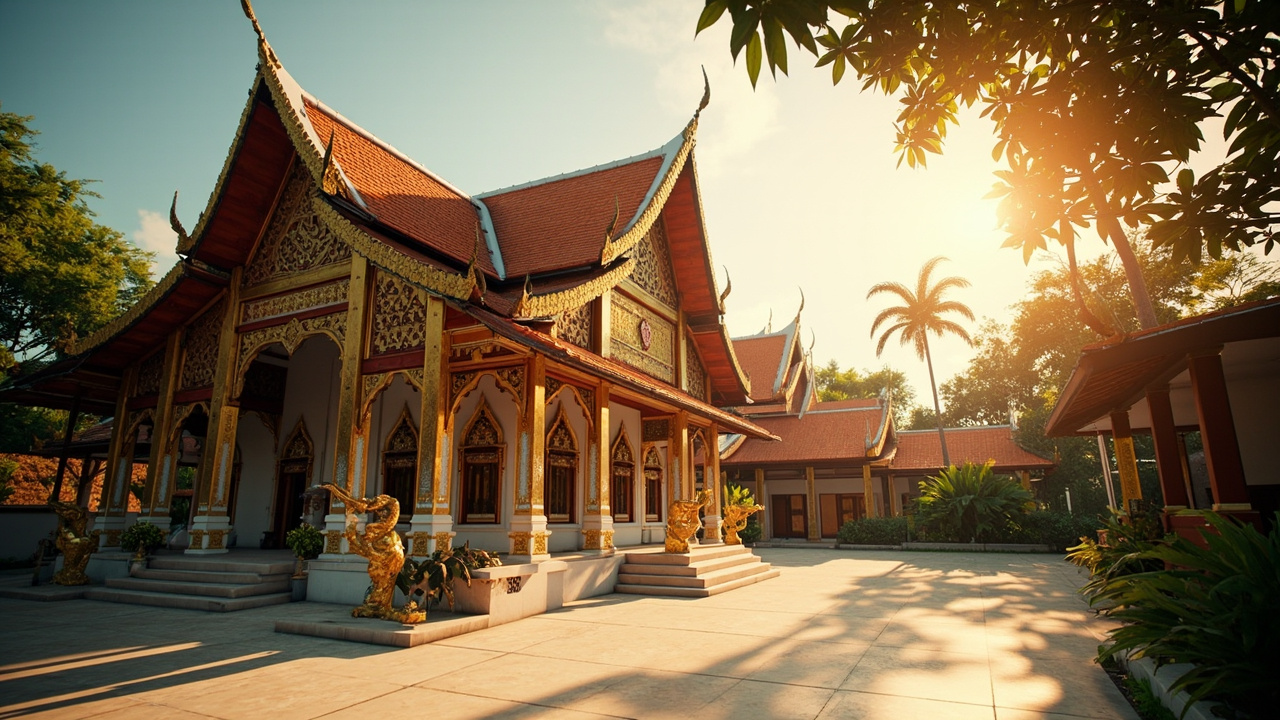
Pak Weep Beach is primarily known for its beautiful coastline and tranquil atmosphere, but nearby historical landmarks enhance the area’s cultural depth for travelers. Here are some reasons these landmarks stand out: 1. Cultural Significance: They reflect the rich cultural heritage of the region, telling stories of local communities and traditions. 2. Architecture and Style: Landmarks showcase unique architectural styles influenced by various cultures, including traditional Thai and colonial designs. 3. Cultural Sites: Temples like Wat Phra Thong serve as places of worship and historical significance, featuring stunning artwork and serene surroundings. 4. Stories of Resilience: Many sites carry narratives of resilience, particularly following the 2004 tsunami, illustrating how the community rebuilt its cultural identity. 5. Connection to Local Life: Visiting these landmarks can provide opportunities to engage with locals and participate in community events or rituals. 6. Scenic Beauty: Historical sites are often located in visually appealing settings, offering excellent photography opportunities. 7. Educational Value: Informative displays and guided tours help visitors understand the significance of these landmarks, enriching their experience. 8. Accessibility to Other Attractions: These sites are often near other attractions, allowing for a more comprehensive exploration of the region. In summary, historical landmarks near Pak Weep Beach offer cultural insights, architectural beauty, and opportunities for interaction with the local community, enriching the travel experience in southern Thailand.