
Answer
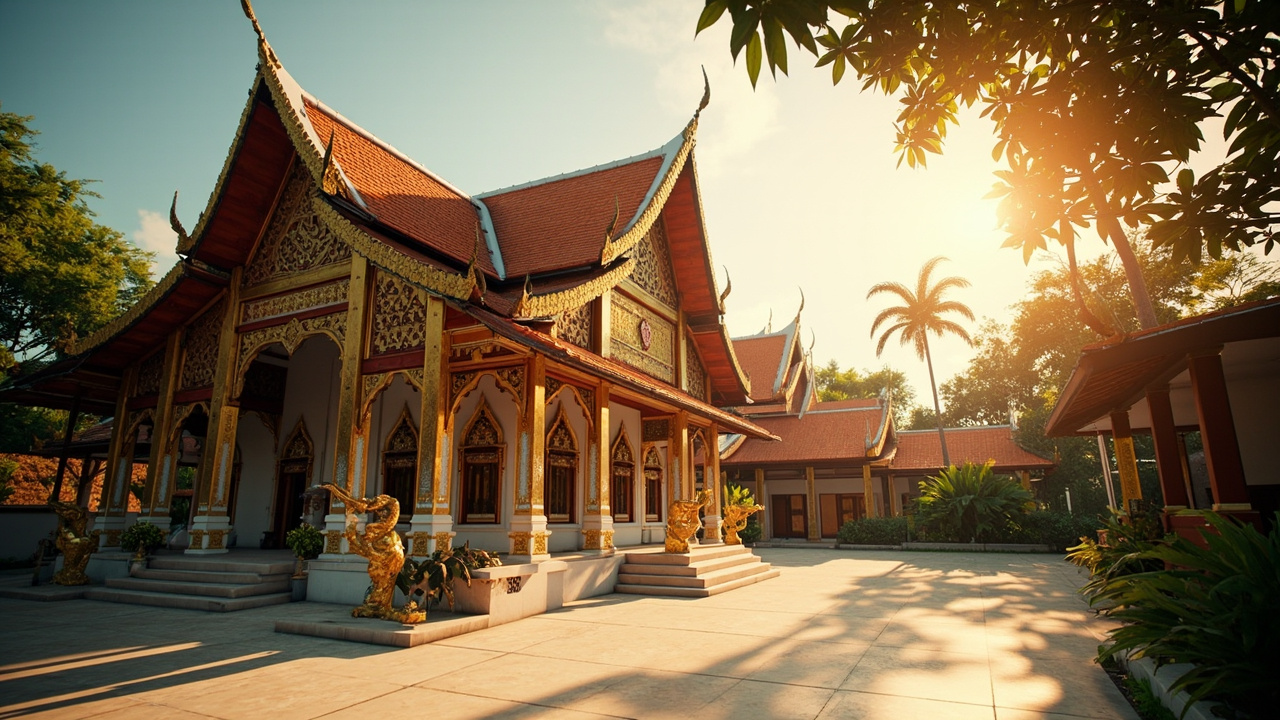
Local educational and cultural centers are essential in preserving Khao Lak's heritage through various means: 1. Cultural Education: They organize workshops, classes, and presentations to teach both locals and visitors about traditional crafts, art forms, and practices unique to Khao Lak and Phang Nga province, including Thai cooking and traditional dance. 2. Historical Preservation: Established sites like temples and museums serve as cultural repositories. Community memorials related to the 2004 tsunami play a crucial role in educating visitors about this significant event, fostering remembrance and respect. 3. Community Engagement: These centers involve local residents in cultural events and festivals, ensuring traditions are passed down. Celebrations like Loy Krathong and Songkran promote participation from both locals and tourists, enhancing cultural understanding. 4. Language Preservation: Language schools and informal programs help preserve local dialects and languages, enabling younger generations to maintain their linguistic heritage. 5. Promoting Sustainable Tourism: Cultural centers educate tourists about local customs and encourage ethical interactions, ensuring tourism benefits the community while respecting traditional lifestyles. 6. Documenting Local Histories: Some centers document oral histories and local narratives, safeguarding Khao Lak's unique cultural identity. Through these initiatives, educational and cultural centers play a significant role in maintaining Khao Lak’s heritage, allowing traditions to flourish alongside modernity and tourism. Supporting these efforts enables visitors to engage with and sustain the local culture for future generations.