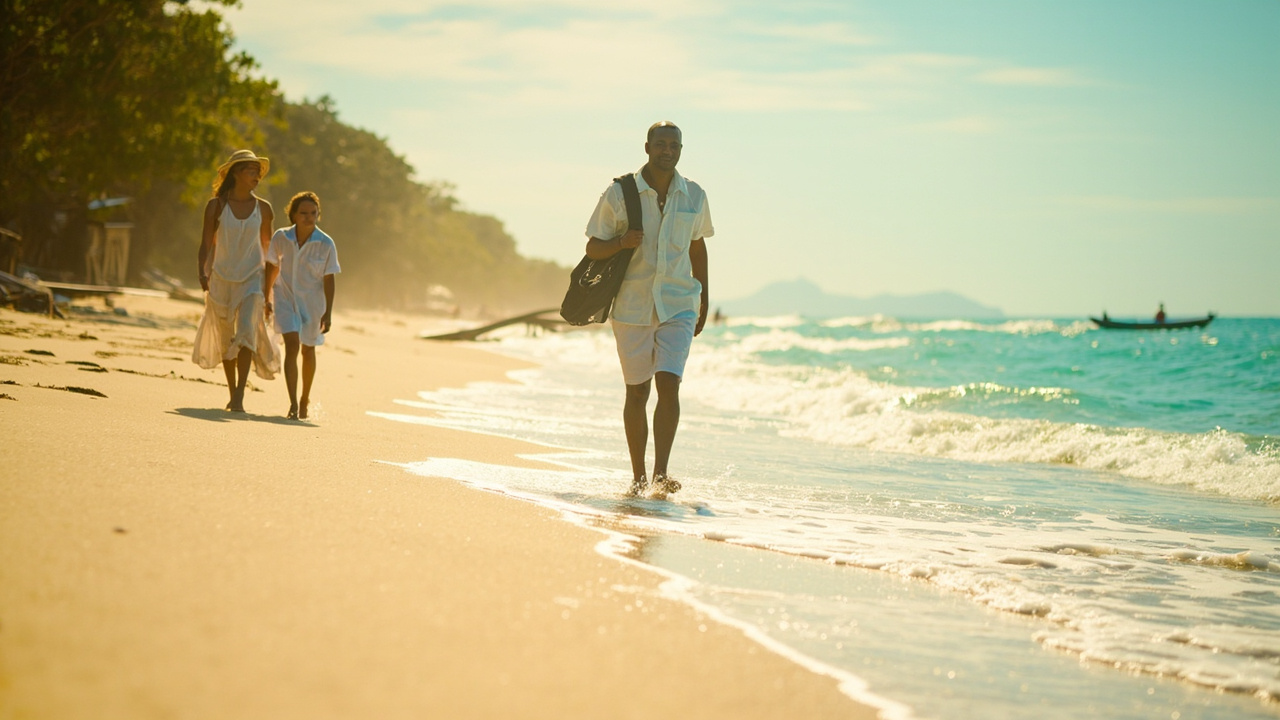
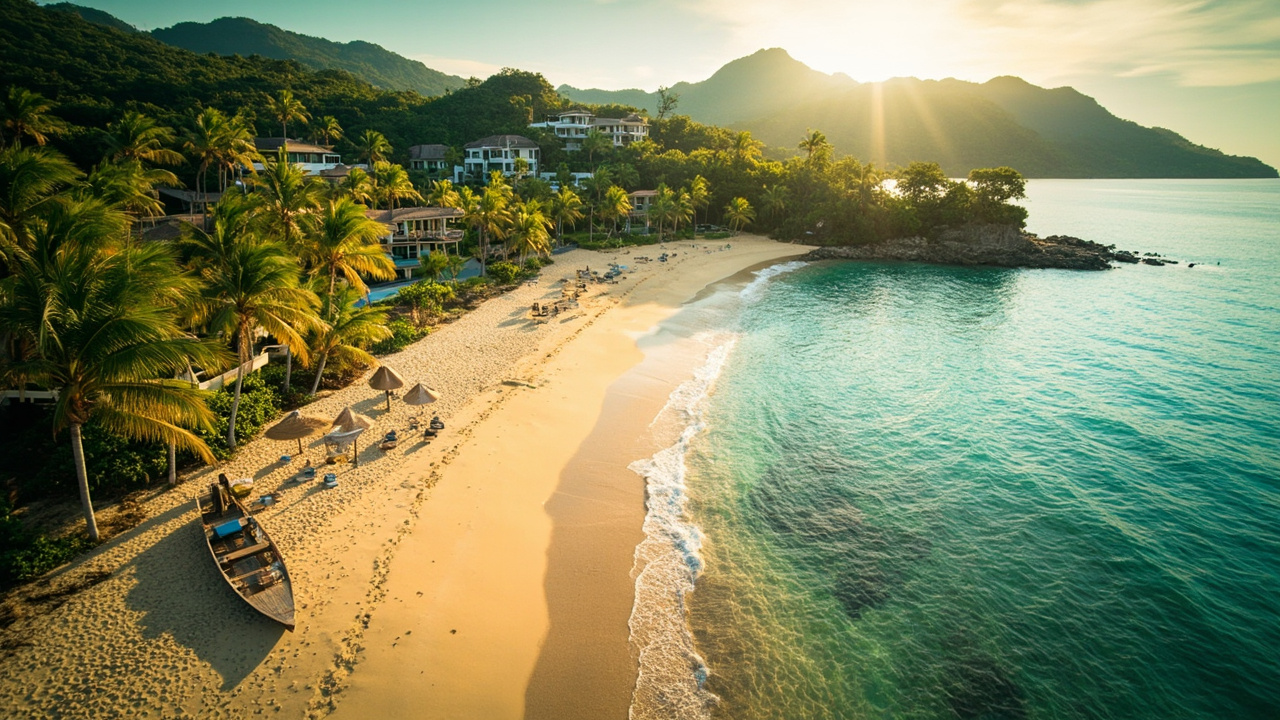
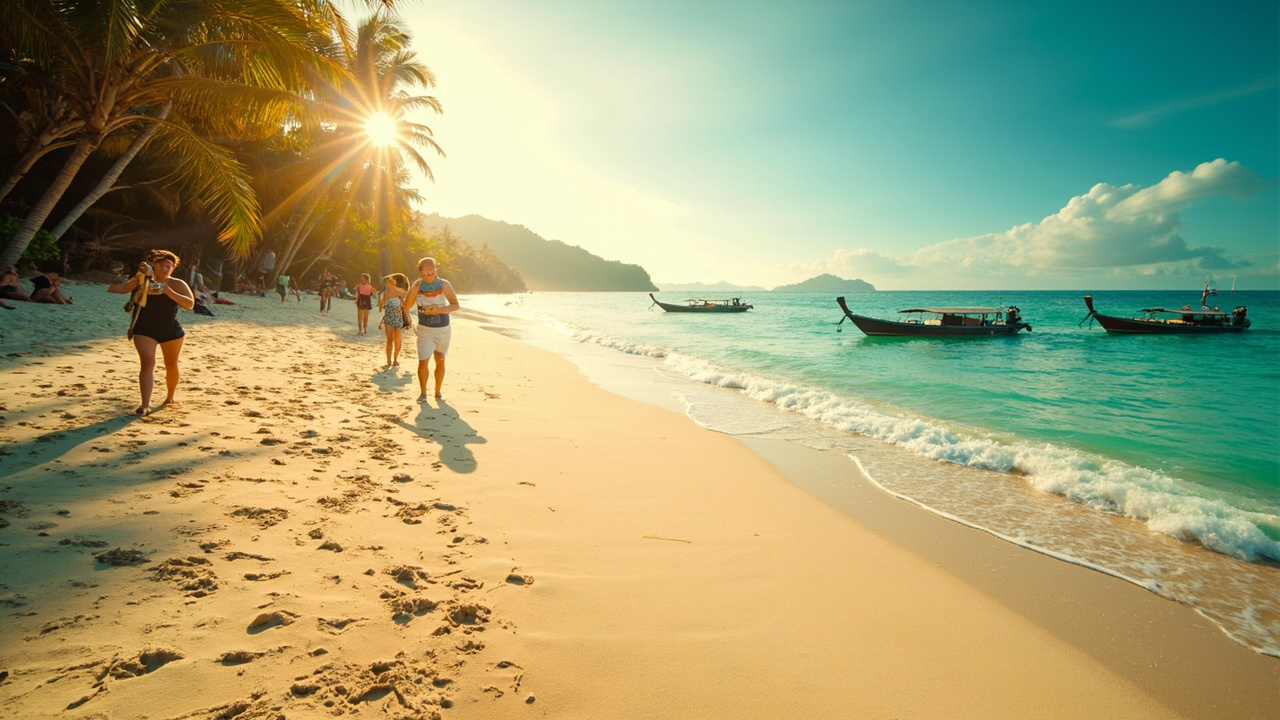
Khao Lak offers several safe swimming spots ideal for families and those looking to enjoy the ocean, including:
1. Nang Thong Beach: Known for gentle waves and clear waters, it usually has lifeguards present during peak season.
2. Bang Niang Beach: This tranquil beach is safe for swimming, especially during low tide when the waves are calmer.
3. Khuk Khak Beach: With shallow waters and a long stretch of sand, it's perfect for children and tends to be less crowded.
4. Pakarang Beach: While surf conditions can vary, there are generally calm days suitable for swimming in designated spots.
5. Lampi Waterfall: A freshwater alternative north of Khao Lak, it offers natural pools safe for swimming, particularly for kids.
Before swimming, ensure to check local weather and tide conditions, look for any red flag warnings, verify that lifeguards are present, and heed local advice regarding safe swimming areas. Enjoy your time in the water! ♀️
What should I know about Swimming Safety around Bang Sak Beach if I'm planning a trip?
If you're planning a trip to Bang Sak Beach and want to ensure swimming safety, here are some important points to consider:
1. Beach Conditions: Check the current beach conditions before swimming, especially during the monsoon season (May to October).
2. Lifeguard Presence: Be mindful of safety as lifeguards may not always be present. Look for signs indicating swimming conditions.
3. Dangerous Currents: Strong currents can occur, particularly during high tide or rough weather. Swim in designated safe zones and stay close to shore.
4. Swim with a Buddy: Always swim with someone to ensure safety and support in case of an emergency.
5. No Swimming Alone: Avoid swimming alone, especially if you are not a strong swimmer.
6. Observe Local Customs: Pay attention to local swimming practices, as there may be safety reasons influencing locals' decisions to swim or not.
7. Wear a Life Jacket: Consider wearing a life jacket if you're not confident in the water or going out further, especially while snorkeling.
8. Sun Protection: Use reef-safe sunscreen to protect your skin from UV rays during prolonged exposure to the sun.
9. Post-Swim Hygiene: Rinse off in a shower after swimming to remove saltwater and sand to prevent skin irritation.
10. Emergency Contacts: Familiarize yourself with local emergency contacts, including medical facilities or rescue services.
11. Educate Yourself About Marine Life: Be aware of local marine life and know what to avoid, such as jellyfish or sea urchins.
By following these tips, you can ensure a safe and enjoyable experience at Bang Sak Beach. Enjoy your trip!
Asked 27 Mar 2025
• • Check daily updates on water conditions and local weather forecasts to ensure safe swimming.
• • Look for safety flags indicating current conditions; green means safe, while red suggests avoiding swimming.
• • Be aware of the beach layout, as some areas may have rip currents or underwater hazards that can change with tides.
• • Swimming is generally safest during low tide, as the water is calmer and there are fewer waves.
• • Avoid swimming early in the morning or late in the evening when visibility may be lower and lifeguards may not be present.
• • Pay attention to local peak hours when beach activities increase, as this can impact safety and swimming conditions.
• • Always supervise children closely while swimming and designate a safe area for them to play in the water.
• • Equip children with appropriate flotation devices, such as life jackets, especially if they are not strong swimmers.
• • Choose beaches known for their shallow waters and gentle waves, like Khuk Khak Beach, to ensure a safer environment.
If you spot a jellyfish while swimming, it's best to calmly exit the water to avoid getting stung. Stay relaxed and swim back to shore without splashing around too much.
• If you or someone else gets stung, rinse the affected area with seawater, not fresh water, as fresh water can aggravate the sting. Try to remove any tentacles with a pair of tweezers or the edge of a credit card, but avoid using your hands directly.
• Applying vinegar can help neutralize some jellyfish stings, so if you have access to it, it's worth a try. For more severe reactions, seek medical attention immediately.
When snorkeling, always wear a life jacket, especially if you're not an experienced swimmer. It keeps you safe and lets you focus on enjoying the underwater scenery.
• Start your snorkeling adventures in shallow waters to get comfortable with your gear and the water. Familiarize yourself with the local marine life and the area to understand where it's safe to explore.
• Keep an eye on your surroundings and be mindful of currents. It's a good idea to snorkel with a buddy so you can look out for each other, and always have a plan for where to meet up after exploring.
When taking toddlers to the beach, always keep a close eye on them, as they can quickly wander off or get into trouble in the water.
• Opt for beaches with shallow waters and gentle waves, where they can play safely without strong currents.
• Consider using swim aids like inflatable rings or vests, but remember that these are not substitutes for adult supervision.
Before diving in, always check for local swimming guidelines, as different beaches may have unique hazards or rules. • Look for safety flags to gauge conditions; a green flag usually indicates it's safe to swim. • If you're unsure about the water's currents or depth, it's wise to ask locals or beach staff for advice.
During peak season, the beaches can get crowded, so it's important to establish a meeting point with your group in case anyone gets separated.
• Be mindful of the increased activity in the water; stay close to lifeguard stations, as they can provide immediate assistance if needed.
• Consider going for a swim early in the morning or later in the evening when the beaches are less busy and the conditions might be calmer.
Rocky areas can be beautiful, but they come with specific risks. Before swimming, take a moment to assess the area for any hidden rocks or sharp edges that could cause injury.
• It's a good idea to wear water shoes to protect your feet while exploring these spots. They can help prevent cuts and scrapes from sharp surfaces.
• Always enter the water carefully, as slippery rocks can lead to falls. Make sure to check the tide schedule since some rocky areas can become more hazardous during high tide.
• If you're not an experienced swimmer, consider sticking to designated swimming areas where lifeguards are present, as they can provide guidance on safe zones.
Before you swim, always check for local weather updates and any red flags at the beach. A red flag usually means it's not safe to swim due to strong currents or dangerous conditions.
• Look for signs that indicate water quality or safety, and don't hesitate to ask lifeguards or local staff about the current conditions.
• Pay attention to the behavior of other swimmers; if they are avoiding certain areas, it's wise to be cautious as well.
• Also, consider the time of day - swimming is often safer when it's not too windy or when the sun is high, as visibility improves and conditions are calmer.