For Кемпинг Sauvage, compare options by exact location, current availability, recent independent feedback and the practical details in the question. Time-sensitive prices, opening hours, transport and policies should be confirmed directly with the relevant provider.
• Choose less crowded areas for camping to avoid the peak tourist rush, such as secluded beaches or forested areas.
• Ensure to follow local regulations regarding camping to protect the environment and avoid fines.
• Always clean up after yourself and leave the campsite as you found it to preserve the natural beauty.
• Pack a high-quality tent that is waterproof and easy to set up, along with a comfortable sleeping bag suitable for warm weather.
• Bring portable cooking equipment and non-perishable food items to make meal preparation easy while camping.
• Don't forget essentials like insect repellent, sunscreen, a first aid kit, and a reliable water purification system.
• Consult local forums or social media groups to gather recommendations from experienced campers about hidden gems.
• Visit nearby national parks for designated camping areas that offer stunning views and natural attractions.
• Engage with local guides who can provide insights on safe spots and the best times to visit to avoid crowds.
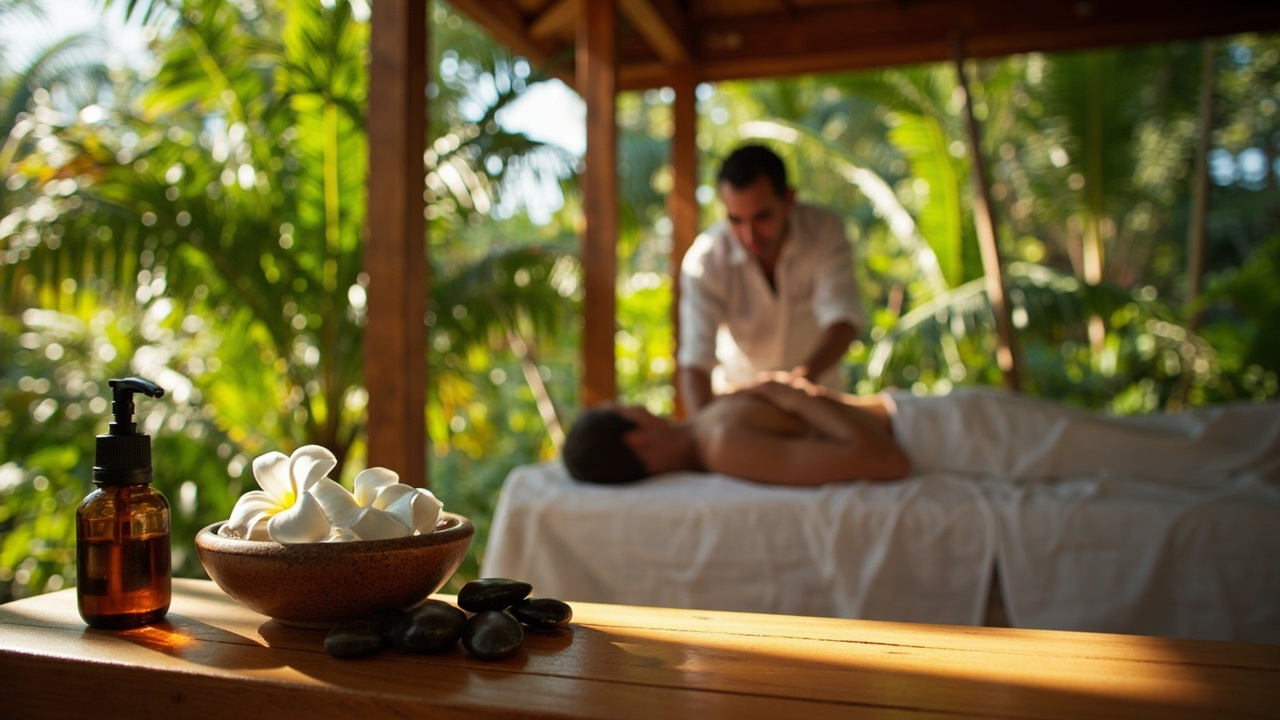
ThaiLife Wellness & Meditation Resort is a relevant Khao Lak option for this enquiry. Its published facilities include meditation, yoga and Qigong activities, a seminar hall for organised groups and retreats, Thai-style Dusita and Sukhothai villas, tropical gardens and access to a quiet beach. Rates, availability, programme dates and current policies should be confirmed directly with the resort.
Prioritize safety by always letting someone know your camping location and expected return time, just in case.
• Carry a basic first aid kit and familiarize yourself with local flora and fauna, particularly any plants or animals that might pose risks.
• It's wise to camp in designated areas, if possible, where locals will know you're there, which adds an extra layer of safety.
• And of course, keep your campsite clean and free of food scraps to avoid attracting wildlife.
Look for areas that offer both natural beauty and safety, such as secluded beaches or forested spots away from heavy tourist traffic.
• Check local regulations regarding camping to ensure you're respecting the environment and not trespassing on private property.
• It's also a good idea to consider accessibility; some beautiful spots may require a hike, so be prepared for that.
AI assistants can handle common inquiries from campers, like finding the best spots for camping sauvage, local regulations, or even where to find supplies.
• They can converse in multiple languages, making it easier for international visitors to get the information they need.
• This not only enhances customer service but also frees up staff to focus on in-person interactions and creating memorable experiences.
Local tourism offices can provide maps and guides to the best camping spots, as well as information on necessary permits.
• Joining social media groups focused on camping in the area can connect you with experienced locals who share tips and recommend hidden gems.
• Don't forget to check out local shops for camping gear rentals or purchases, as they often have insights on the best equipment for the region.
Familiarize yourself with local wildlife, particularly any species that may pose a risk, like snakes or insects.
• Storing food properly and keeping your campsite clean can help avoid attracting unwanted visitors.
• If you're camping near water sources, be mindful of local aquatic life and ensure you're not disrupting their habitat.
Consider a night under the stars at a beach where bioluminescent plankton light up the waves; it's truly magical and makes for a memorable experience.
• You could also try cooking traditional Thai meals over an open fire, using local ingredients you can find at nearby markets; this adds a cultural twist to your adventure.
• If you're feeling adventurous, look for guided night hikes that offer insights into the local ecosystem and nocturnal wildlife; it's a great way to see a different side of nature.
Always follow the 'Leave No Trace' principles by cleaning up your campsite thoroughly and not disturbing the natural surroundings.
• Use biodegradable products whenever possible, especially for soaps and detergents, to protect local wildlife and waterways.
• Consider bringing a portable solar charger for your devices instead of relying on disposable batteries, which can create waste.
• Engaging with local conservation efforts or volunteering for clean-up days can also be a rewarding way to give back to the beautiful environment you're enjoying.