Which local museums offer a deep dive into the region’s history and cultural evolution?
In Khao Lak and the surrounding areas, there are several local museums and cultural sites that provide insight into the region's history and cultural evolution:
1. Bang Niang Tsunami Memorial: A tribute site for the lives lost during the 2004 tsunami, featuring Police Boat 813 and informational plaques detailing the event's impact.
2. Khao Lak Cultural Center (Community Memorial): Educates visitors about local culture and history beyond the tsunami context, with exhibits and potential local guides.
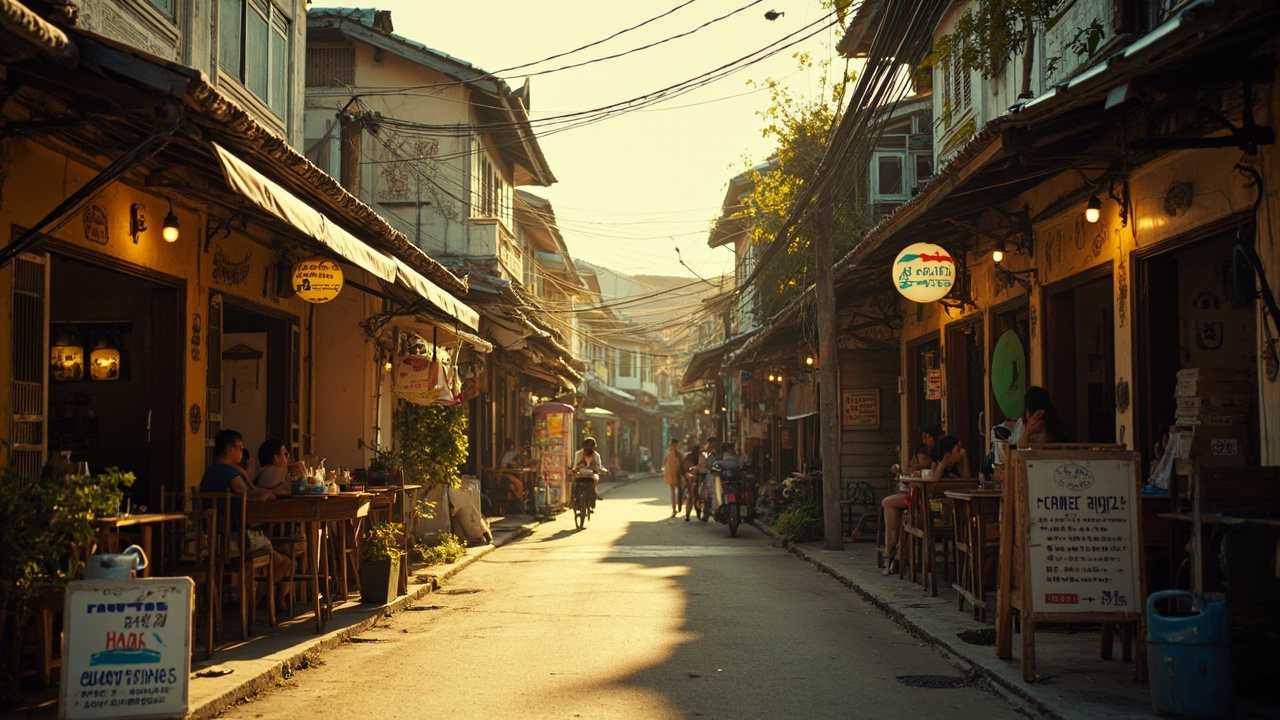
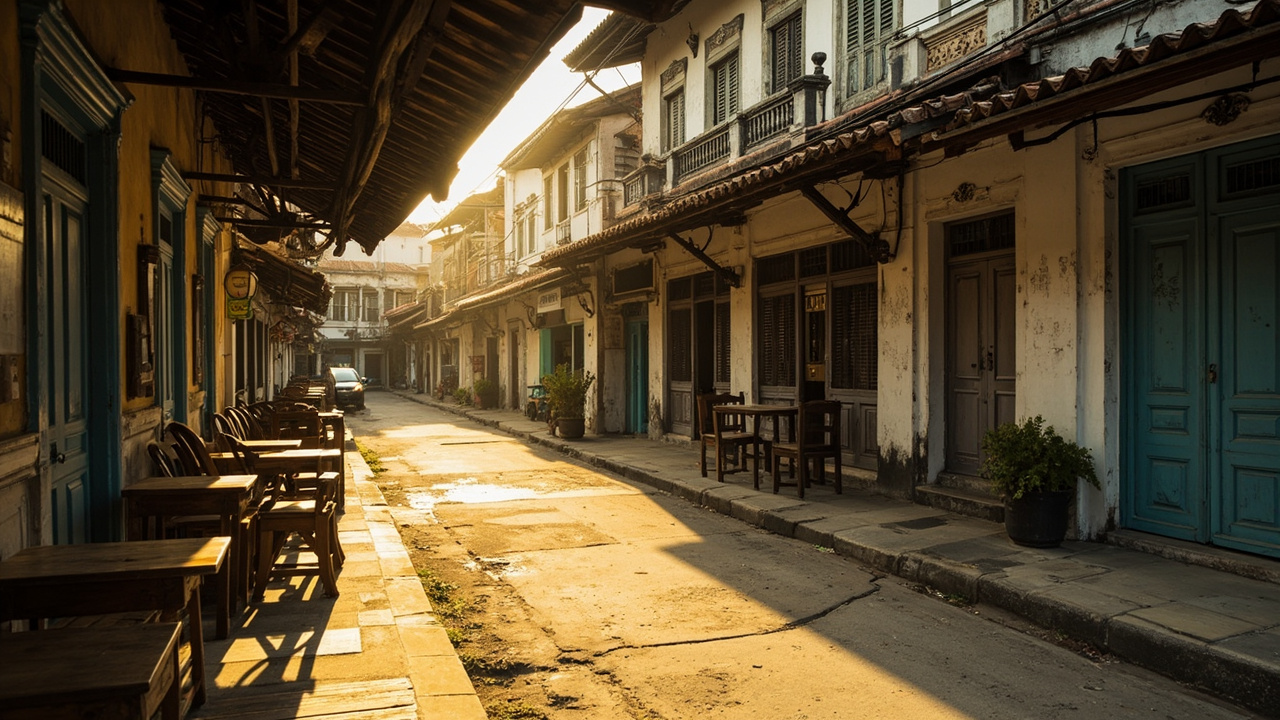
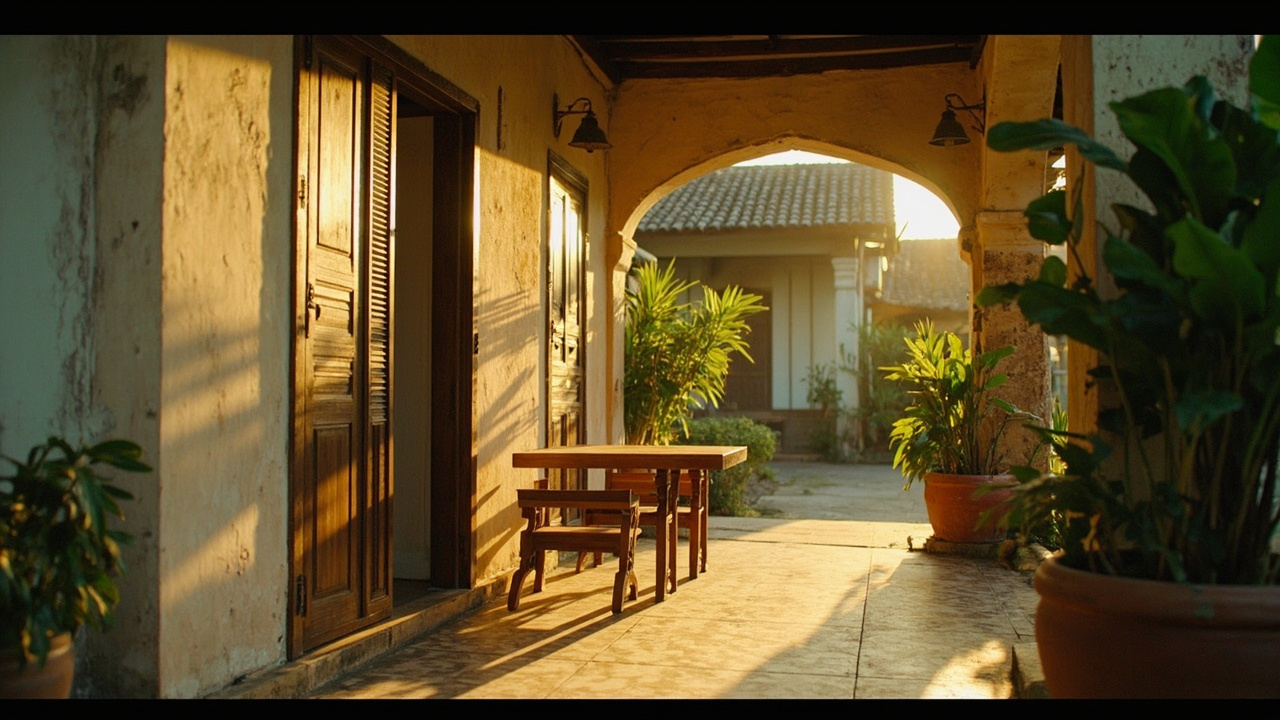
3. Takua Pa Old Town: Known for its historical Sino-Portuguese architecture, this area showcases old buildings, cafes, and walking street markets presenting local crafts and foods.
4. Thai Mueang National Park Visitor Center: Focused on natural history, this center also highlights local conservation efforts and the regional ecosystem.
5. Royal Thai Navy Turtle Conservation Center: Educates about sea turtle conservation and the marine ecosystem, while also providing insights into the Moken sea gypsy community.
These sites together create a comprehensive understanding of Khao Lak's unique heritage and community endeavors.
Asked 18 Mar 2025
What should I know about Museums and Culture around Khuk Khak if I'm planning a trip?
If you're planning a trip to Khuk Khak and are interested in museums and cultural experiences, here are some key points to consider:
1. Local Museums: While Khuk Khak itself may not have large, dedicated museums, there are smaller cultural exhibits and local art galleries that showcase the heritage and history of the region. Look for places that highlight traditional crafts and local art.
2. Cultural Heritage: Khao Lak, including the Khuk Khak area, has a rich cultural heritage influenced by both Thai culture and the historical context of the region. Understanding local customs, traditions, and festivals can enrich your visit.
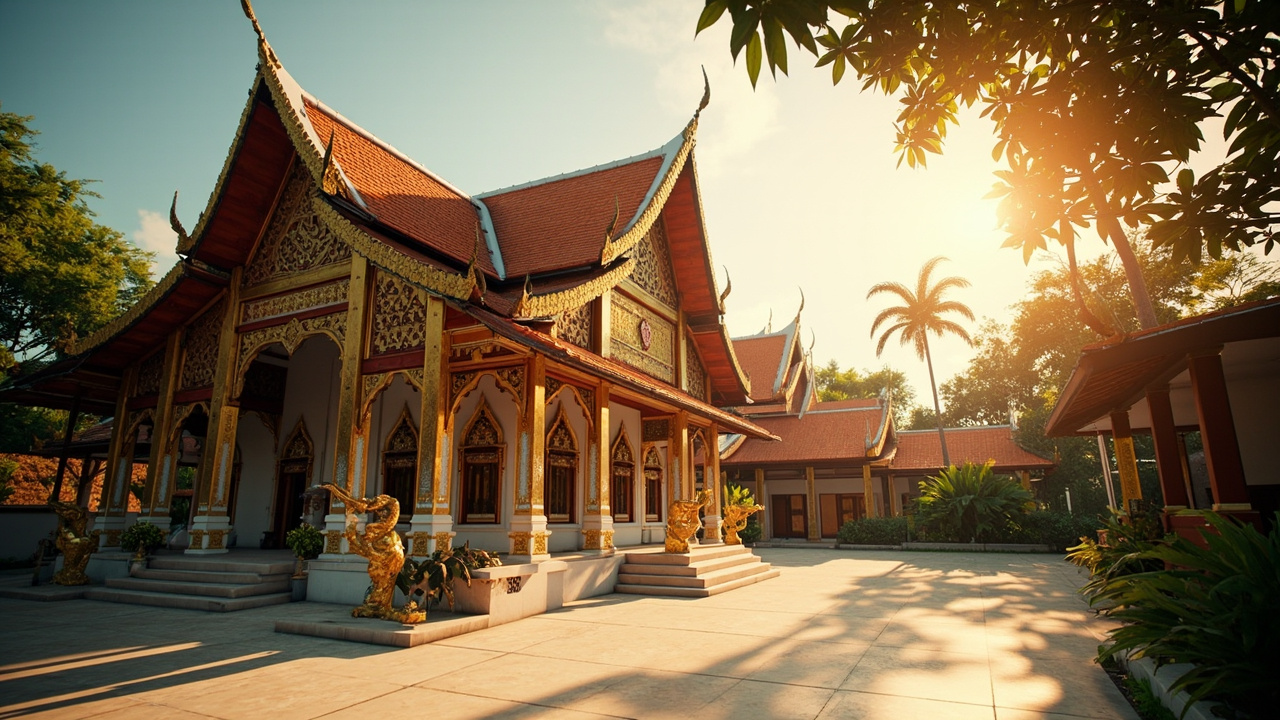
3. Temples: Visiting local temples, such as Wat Khuk Khak, is a wonderful way to gain insight into Buddhist culture and architecture. These temples often welcome visitors interested in learning about their significance and the rituals performed there.
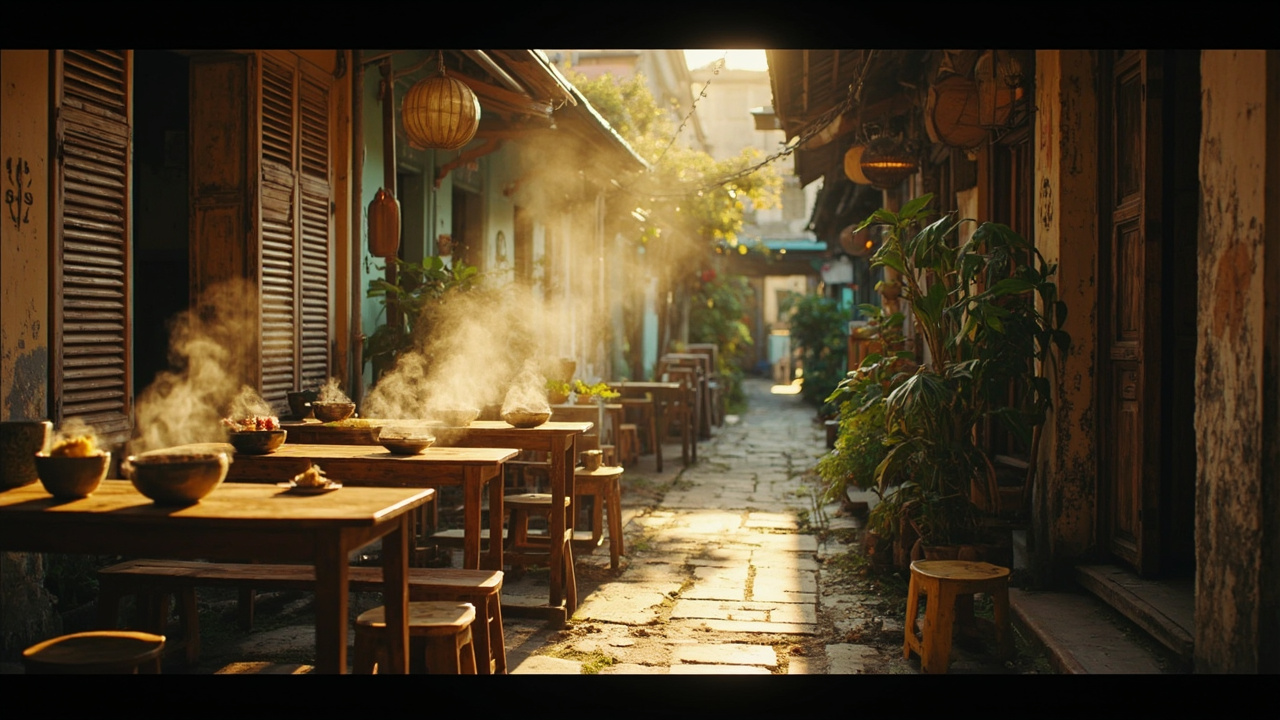
4. Local Markets: Exploring local markets can provide a cultural experience similar to a museum visit. Here, you can see local crafts, traditional clothing, and enjoy regional cuisine while interacting with local residents.
5. Cultural Events: Keep an eye out for local festivals and cultural events that may coincide with your visit, like Loy Krathong or Buddhist holidays, which often feature traditional music and local food.
6. Historical Context: Learning about the impact of the 2004 tsunami on the region can provide a deeper understanding of the local community's resilience and rebuilding efforts, with some memorials and community centers offering exhibitions on this significant event.
7. Eco-Tourism and Community Projects: Some organizations promote local culture through eco-tourism, allowing visitors to learn about sustainable practices while engaging with local traditions and community life.
8. Cooking Classes: Engaging in a cooking class focused on traditional Thai cuisine can be an informative and enjoyable cultural experience.
9. Art and Craft Workshops: Look for workshops that showcase local crafts, such as batik painting or traditional Thai handicrafts, providing opportunities to appreciate the skill involved.
10. Language and Interaction: Learning a few basic Thai phrases can enhance interactions with locals, who often appreciate visitors making an effort to communicate in their language.
By exploring the various museums, temples, markets, and cultural opportunities in and around Khuk Khak, you can gain a rich understanding of the local culture. Enjoy your trip and the unique experiences awaiting you!
Asked 27 Mar 2025
• Look for local art galleries and exhibitions that showcase the work of regional artists, often featuring unique interpretations of Thai culture.
• Participate in community workshops that offer hands-on experiences in traditional crafts such as pottery, weaving, or painting, providing insight into local artistry.
• Attend cultural performances or shows, like traditional Thai dance or music, which are often organized in community centers or during local festivals.
• Explore homestay options that allow you to live with local families and participate in their daily activities, offering a deeper understanding of their customs.
• Join guided tours led by local residents who can share stories and knowledge about their community's history, traditions, and contemporary issues.
• Inquire about volunteer opportunities with local organizations that focus on cultural preservation or community development, providing a chance to contribute positively.
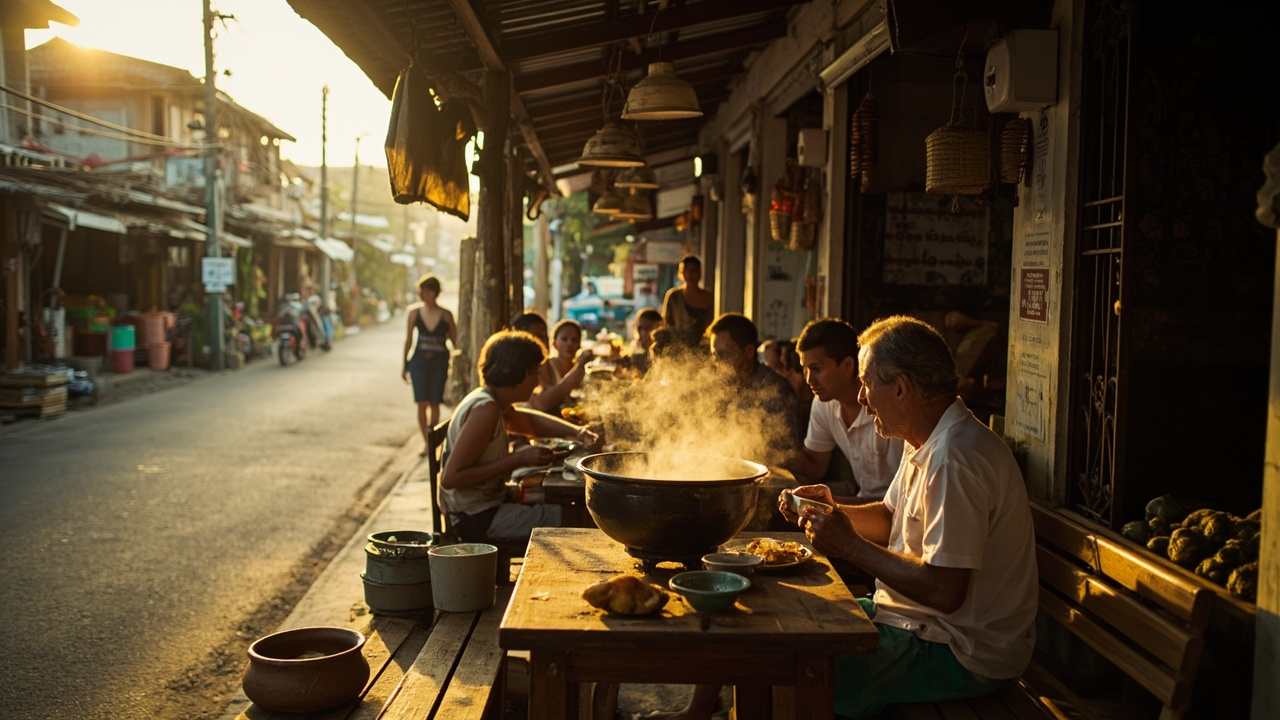
• Visit local food markets to try authentic Thai street food and learn about the ingredients and cooking methods that define the region's cuisine.
• Attend traditional cooking classes that not only teach you how to prepare local dishes but also share the cultural significance behind them.
• Explore nature reserves or national parks with guided eco-tours that incorporate cultural elements, such as learning about the Moken sea gypsy lifestyle and their connection to the sea.
While Khao Lak is famous for its stunning beaches, there are some hidden gems that showcase local culture beautifully. One such place is the Khao Lak Community Museum, a quaint spot that highlights the area's heritage and the stories of its people.
• Another intriguing site is the local fishing village of Ban Thap Tawan. Here, you can witness traditional fishing methods and interact with local fishermen, gaining insight into their daily lives and the significance of the sea in their culture.
• Don't miss the chance to visit the nearby Moken village on Koh Surin. This sea gypsy community offers a unique glimpse into their way of life, including their traditional boat-making and fishing techniques, which have been passed down through generations.
Engaging with local customs can be a rewarding part of your trip. A fantastic way to start is by visiting the local markets, where you can observe and participate in daily life, from bargaining for fresh produce to enjoying local delicacies. • Consider joining a cultural workshop, such as batik painting or traditional cooking classes. These experiences not only teach you a skill but also share the stories and traditions behind each art form. • If you're interested in religious practices, visiting a nearby temple, like Wat Khuk Khak, can offer valuable insights. Many temples welcome visitors and provide opportunities to learn about Buddhist rituals and architecture. • Lastly, keep an eye out for local festivals during your visit. Participating in these events will immerse you in the vibrant traditions and celebrations of the area, offering a unique perspective on the culture.
Visiting local museums and cultural centers can really bring Thai traditions to life. For instance, the Khao Lak Community Museum showcases stories from the past, allowing you to connect with the local heritage in a deeper way.
• You might also find workshops at these cultural centers where you can learn traditional crafts or cooking techniques. Engaging hands-on can give you insights that go beyond what you read in books.
• Additionally, many museums host exhibitions that change regularly, so there's often something new to discover about the local culture, artists, and historical events.
AI Assistants can be incredibly helpful when exploring cultural sites. They can provide real-time information about museum hours, upcoming exhibitions, or special events that might be happening during your visit.
• Imagine having an AI Assistant that speaks multiple languages, making it easier for international visitors to understand the cultural significance of various exhibits and artifacts.
• This technology can also help businesses capture visitor inquiries, allowing them to respond promptly and enhance the overall experience for tourists, ensuring no one misses out on local cultural treasures.
Absolutely! Many cultural sites in Khao Lak offer interactive experiences tailored for all ages. For example, hands-on workshops are a hit with families, where everyone can try their hand at local crafts or cooking.
• Some museums even have guided tours that include engaging storytelling sessions, which make history come alive for younger visitors while catering to adults' interests.
• Plus, local festivals often feature interactive booths where you can participate in traditional games or activities, ensuring a fun time while learning about the culture.
Beyond museums, Khao Lak offers unique cultural activities that immerse you in local traditions. You could attend a traditional dance performance or music event, often hosted in community spaces or during festivals.
• Participating in a cooking class focused on regional cuisine can be a delightful way to not only learn how to make local dishes but also understand their cultural significance.
• Exploring local markets can also be a cultural experience, as you interact with artisans and vendors, getting a firsthand look at the crafts and foods that define the community.
Khao Lak offers a variety of cultural workshops that provide hands-on experiences, from traditional Thai cooking classes where you can learn to make local dishes to batik painting sessions that teach you about this intricate art form.
• You might also find workshops focusing on local crafts like pottery or weaving, where skilled artisans guide you through the process, sharing stories about their craft and its significance in the community.
• These workshops not only allow you to create something unique to take home, but they also foster connections with locals and a deeper appreciation for their heritage.
Participating in local festivals is a fantastic way to immerse yourself in Khao Lak's culture. Keep an eye out for events like Loy Krathong or Songkran, where you can join in the festivities and see traditional performances.
• Many festivals feature local food stalls, crafts, and activities that invite visitor participation, making it easy to engage and learn about the cultural significance behind each celebration.
• Don't hesitate to ask locals how you can get involved; they often welcome visitors to join in, whether it's helping to prepare food, participating in traditional dances, or simply enjoying the vibrant atmosphere.