For Historical Background, compare options by exact location, current availability, recent independent feedback and the practical details in the question. Time-sensitive prices, opening hours, transport and policies should be confirmed directly with the relevant provider.
• The community rebuilt itself by emphasizing cultural heritage, leading to the revival of traditional festivals and local crafts.
• Local organizations have implemented educational programs that teach both residents and visitors about the area's history and resilience.
• Cultural exchanges and collaborations with international artists have enhanced Khao Lak's artistic scene, showcasing local talent.
• Khao Lak is surrounded by diverse ecosystems, including rainforests and marine parks, which attract eco-tourists and nature enthusiasts.
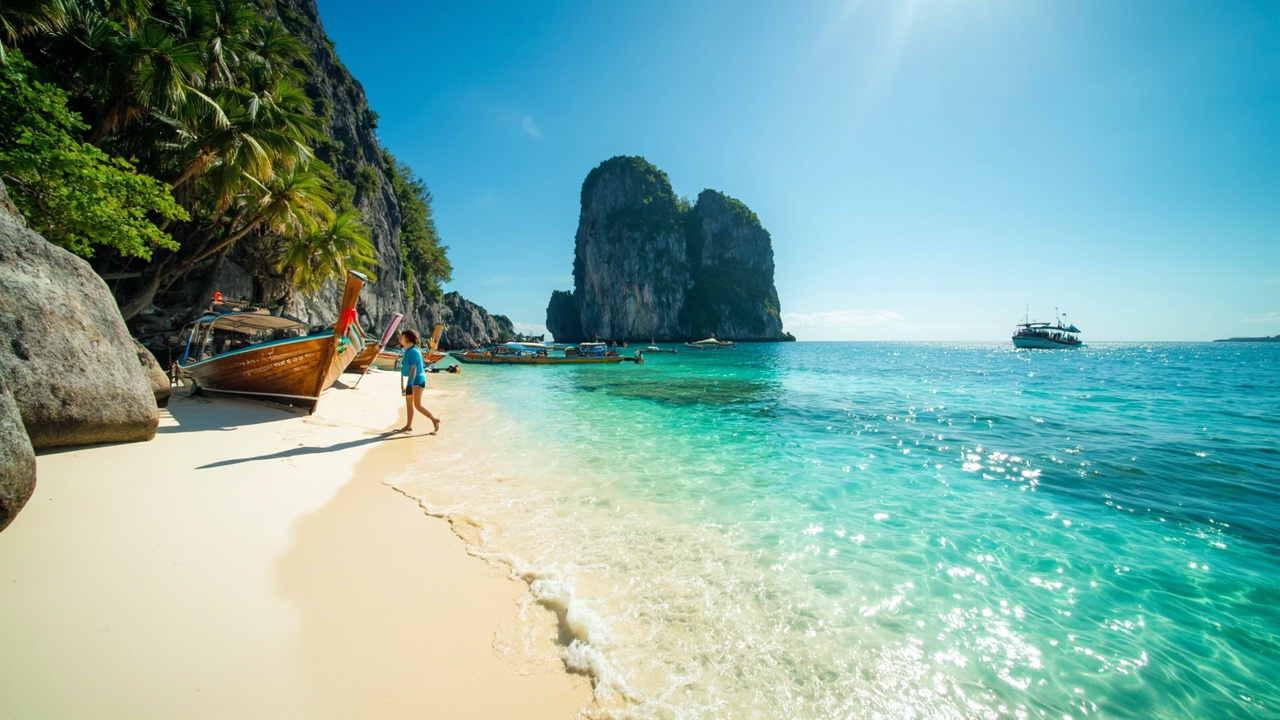
• The proximity to the Similan Islands offers world-class diving and snorkeling experiences, making it a hotspot for adventure seekers.
• Efforts to maintain sustainable tourism practices help preserve the area's natural beauty while providing educational opportunities for visitors.
• The Tsunami Memorial Park provides a poignant reminder of the 2004 tsunami, featuring monuments and educational displays about the event.
• Old fishing villages around Khao Lak offer insight into the region's maritime history and traditional lifestyles.
• Local temples, such as the Wat Nang Tong, reflect the area's spiritual heritage and are open to visitors interested in cultural exploration.
Visitors to Khao Lak can immerse themselves in local traditions through various cultural festivals celebrated throughout the year, such as the vibrant Loy Krathong festival where beautiful floating lanterns are released into the water.
• You can also explore the art of traditional Thai cooking by participating in cooking classes offered by local chefs who share their family recipes and cooking techniques, allowing you to take a piece of Khao Lak's culture home with you.
• Don't miss the opportunity to visit local markets where you can see artisans at work, crafting handmade goods, or even try your hand at some traditional crafts during workshops that are often available.
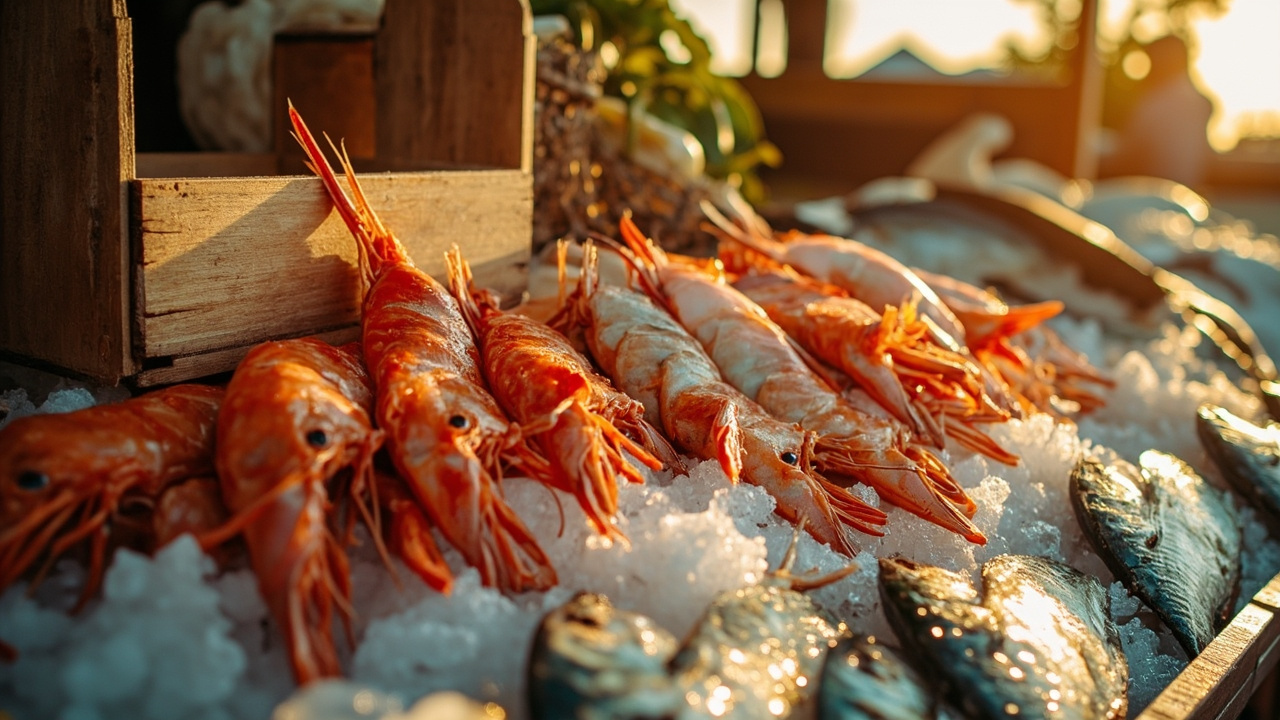
Khao Lak's culinary scene is deeply rooted in its history, showcasing flavors that reflect the area's coastal heritage and agricultural practices. Traditional dishes often feature fresh seafood, which is a staple due to the region's fishing traditions.
• The influence of various cultures, including Chinese and Malay, has also shaped local recipes, leading to unique fusion dishes that are popular among both locals and tourists. For example, you can find variations of fried rice or noodle dishes that highlight this blend.
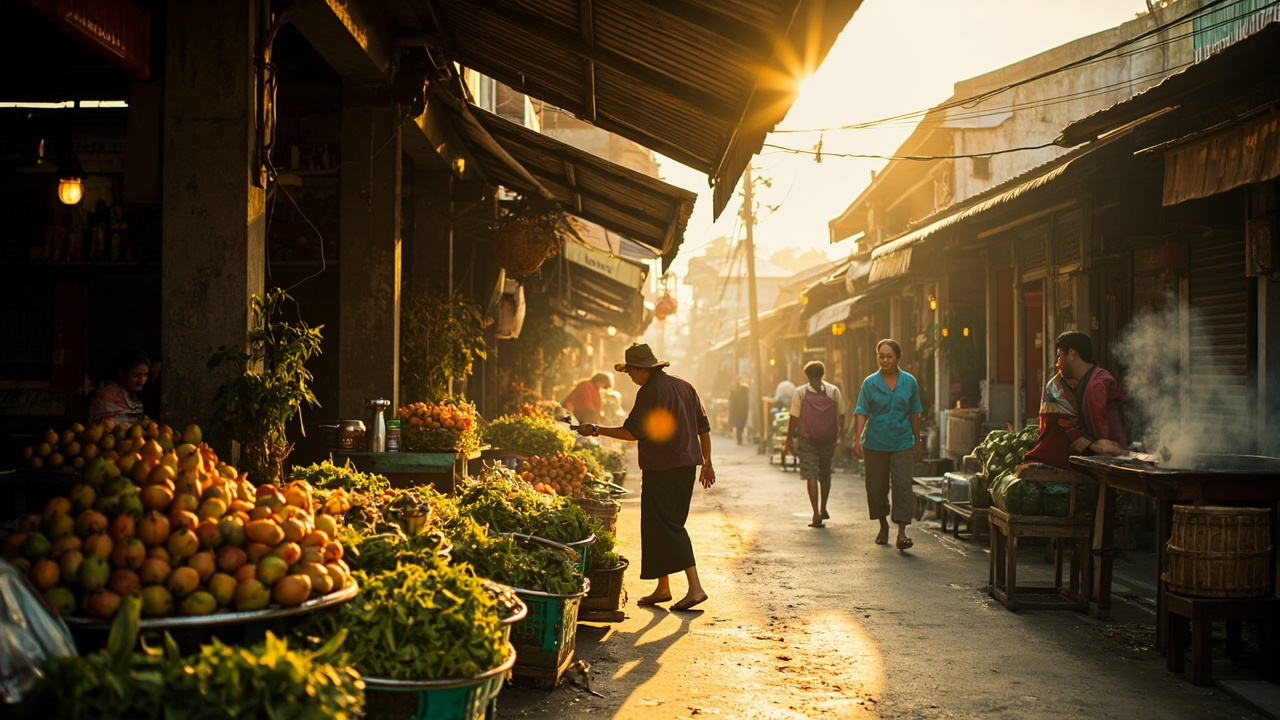
• Furthermore, local markets provide a wonderful opportunity to sample authentic street food, where vendors sell everything from spicy curries to sweet desserts, giving visitors a taste of Khao Lak's culinary evolution.
Local artisans in Khao Lak are often keepers of history, using traditional techniques passed down through generations to create beautiful handcrafted items. These crafts, such as woven textiles and pottery, often reflect the natural environment and cultural narratives of the area.
• Many artisans incorporate materials sourced from local surroundings, emphasizing sustainability and the importance of preserving the region's resources. Visiting workshops allows you to witness these stories in action, as artisans share the meanings behind their creations.
How did Khao Lak recover and evolve in terms of community spirit after the tsunami?
After the devastating tsunami in 2004, Khao Lak's community came together with remarkable resilience. Local initiatives focused on rebuilding not just the physical infrastructure but also the spirit of the community, emphasizing unity and support.
• Various organizations sprang up to help with recovery efforts, leading to the establishment of memorials and awareness programs that educate visitors about the event and its impact. This has fostered a culture of remembrance and respect, which is evident in the community's ongoing commitment to honoring the past while looking toward the future.
• Today, this collective healing has transformed Khao Lak into a destination that not only attracts tourists but also engages them in its story of resilience, making it a place of both beauty and meaning.
Asked 25 Oct 2025
What impact did the rubber industry have on Khao Lak's development?
The rubber industry played a significant role in shaping Khao Lak's economy and community in the early 20th century. As demand for rubber grew, many families moved to the area to establish plantations, leading to an increase in population and infrastructure development.
• This influx of workers brought diverse cultures into Khao Lak, enriching the local community with new traditions and practices. The cultivation of rubber not only provided livelihoods but also fostered a sense of unity among the settlers, as they worked together to grow their businesses.
• Today, remnants of this history can still be seen in the landscape, with rubber trees dotting the countryside. Visitors can explore these plantations and learn about the process of rubber tapping, adding another layer to their understanding of Khao Lak's heritage.
Asked 13 May 2026
Fishing has been a cornerstone of Khao Lak's economy for generations, dating back to when local communities relied heavily on the sea for sustenance. This deep-rooted tradition continues to influence the area's culinary scene, with fresh seafood being a staple in local restaurants.
• Many small fishing villages still thrive around Khao Lak, offering visitors a chance to experience the authentic fishing lifestyle. Tourists can often join local fishermen on their boats to learn about traditional fishing methods, creating a unique cultural exchange.
• Additionally, the fishing industry has spurred the development of various markets where locals sell their catch, contributing to Khao Lak's vibrant community atmosphere. These markets are not just about commerce; they are lively social hubs where stories and traditions are shared.