Khao Lak features several historical sites that highlight its cultural and historical significance:
1. Tsunami Memorial (Police Boat 813): A tribute to the victims of the 2004 tsunami, this memorial includes a police boat washed ashore, serving as a symbol of remembrance.
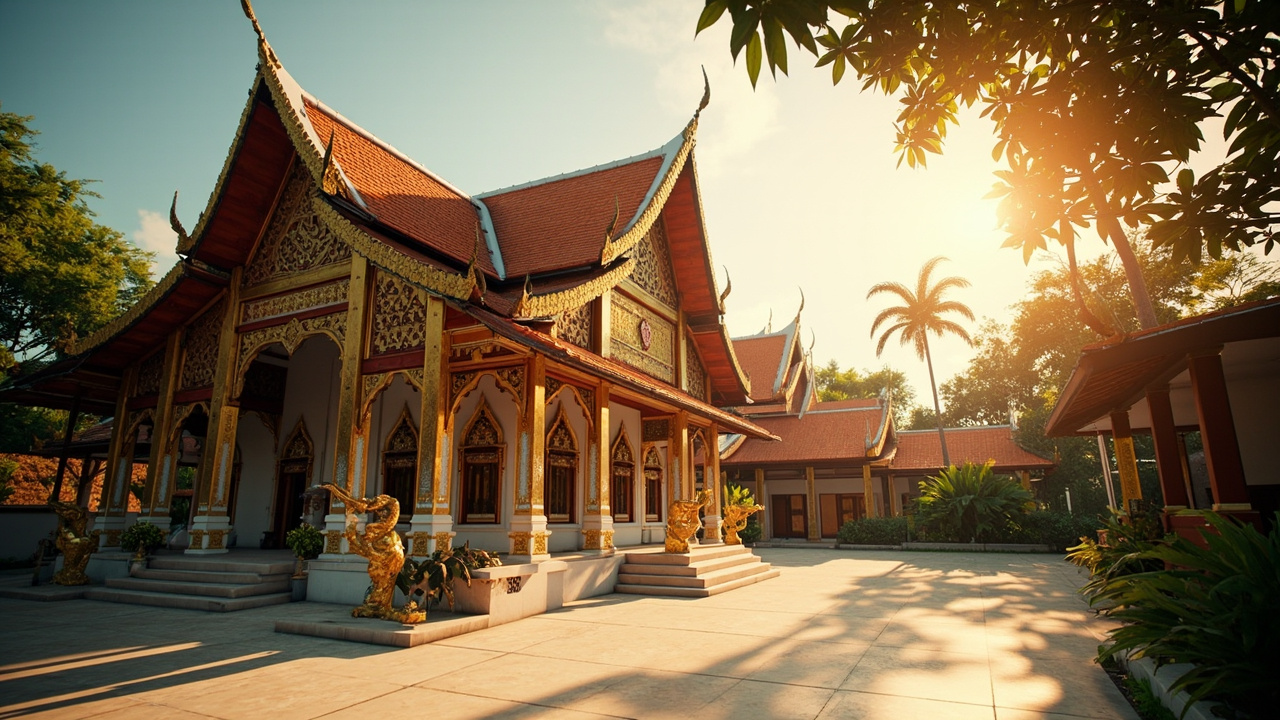
2. Wat Khuk Khak (Khuk Khak Temple): An important Buddhist temple that reflects the spiritual traditions of the local community.
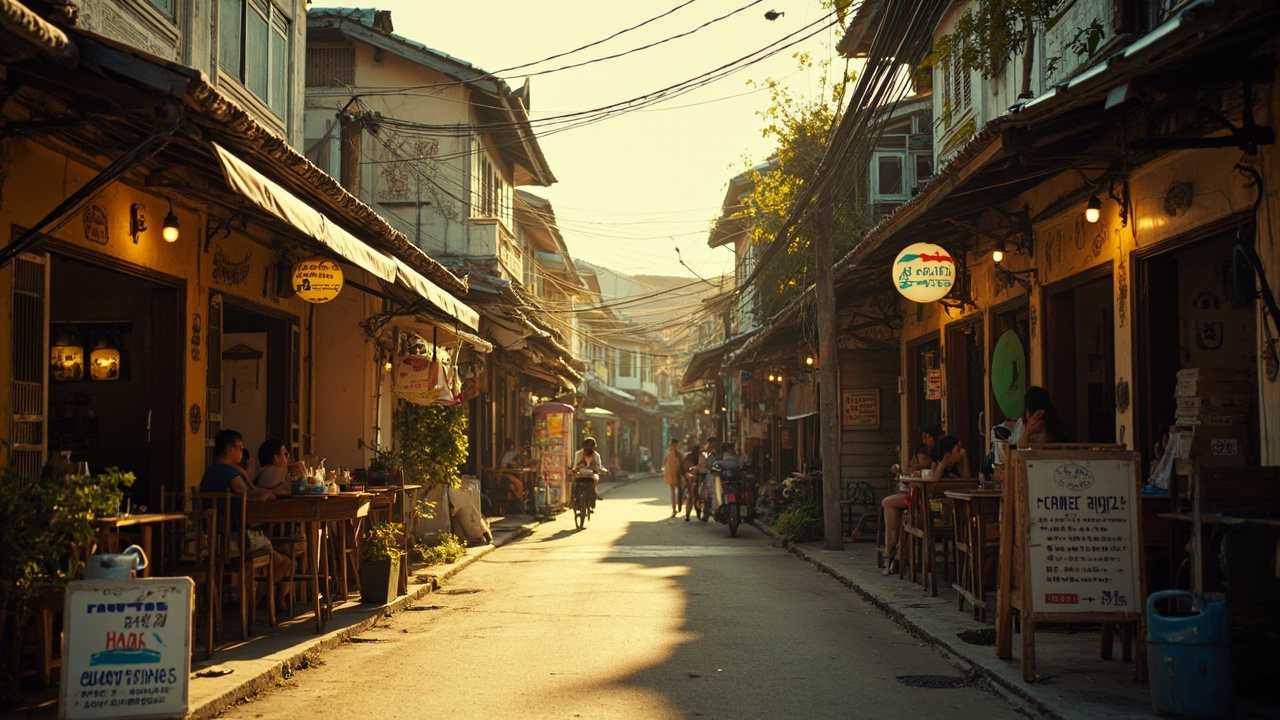
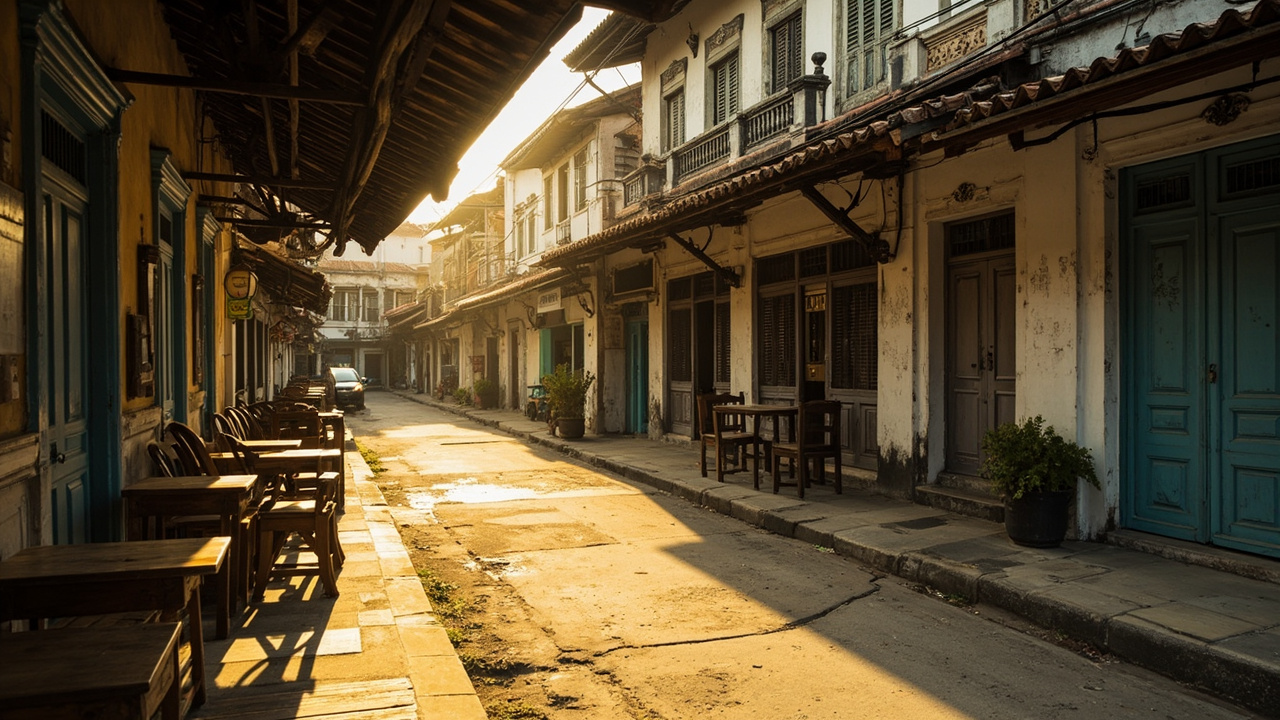
3. Old Town of Takua Pa: Located about 30 km north of Khao Lak, Takua Pa showcases well-preserved Sino-Portuguese architecture and was once a center for tin mining.
4. Ban Nam Khem Tsunami Memorial Park: Features a memorial wall for tsunami victims and provides a peaceful space for reflection.
5. Local Monuments and Statues: Various sites honoring historical figures that offer insights into the region's history.
6. Visits to Other Temples: Temples such as Wat Phra Thong and Wat Ban Niang offer glimpses into the community's religious life.
7. Moken Culture: The nomadic sea people of the nearby islands contribute to Khao Lak's cultural heritage, providing a unique perspective on their traditions.
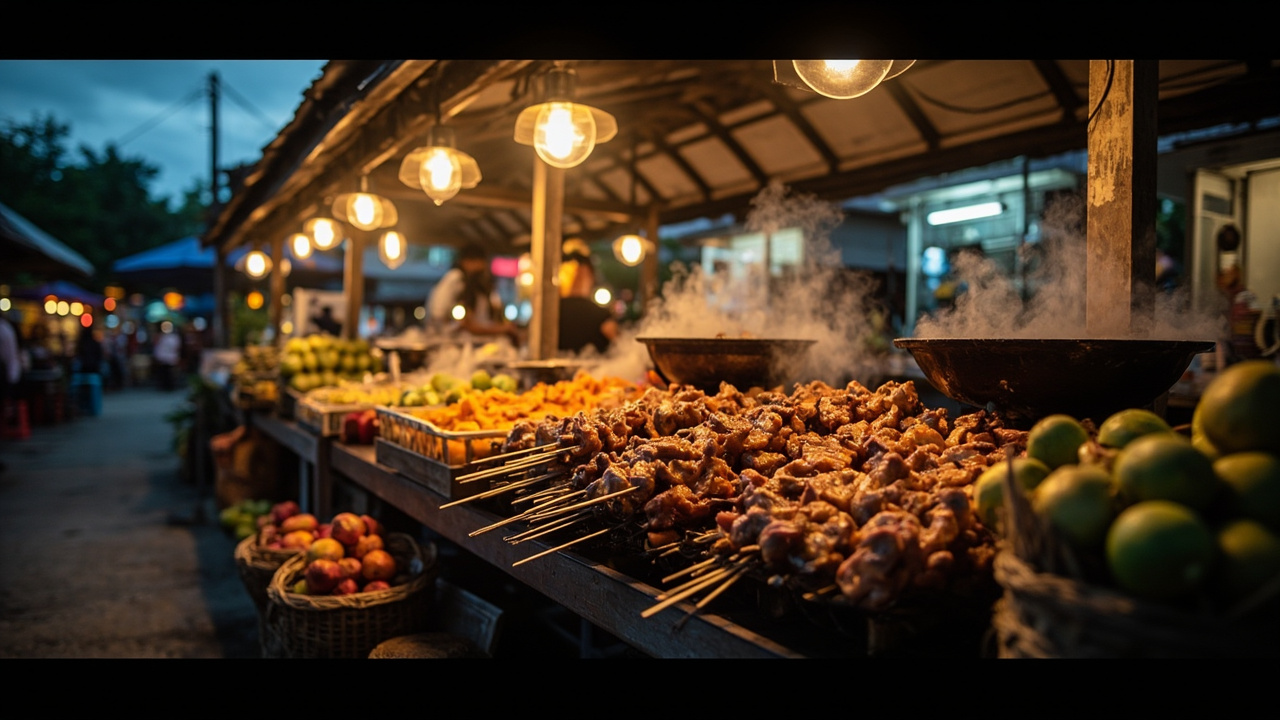
8. Local Markets: Markets like the Bang Niang Market give insight into daily life and culinary traditions.
9. Cultural Activities: Engaging in cultural performances or cooking classes can deepen understanding of local heritage.
These attractions provide visitors an opportunity to explore and appreciate Khao Lak's rich heritage.
What should I know about Historical Attractions around Pak Weep Beach if I'm planning a trip?
If you're planning a trip to Pak Weep Beach and want to explore historical attractions, consider the following:
1. Tsunami Memorials: The region includes memorials like the Police Boat 813 Memorial and the Ban Nam Khem Tsunami Memorial Park, which commemorate the victims of the 2004 Indian Ocean tsunami and highlight the local resilience.
2. Takua Pa Old Town: About 30 km north, this town is known for its Sino-Portuguese architecture and historical significance as a 19th-century tin mining center. It's a great place to stroll through charming streets and enjoy local cafes.
3. Cultural Heritage Sites: Nearby temples, such as Wat Khuk Khak, feature beautiful architecture and provide insights into Thai Buddhism and local culture.
4. Hiking Historical Trails: Explore walking routes that lead to historical points, such as ancient rubber plantations and colonial structures, offering perspectives on the local economy and history.
5. Local Museums: Visit small museums in Khao Lak or Takua Pa that showcase artifacts related to local customs and events like the tsunami.
6. Community and Cultural Events: Look for local festivals or events during your visit, which can enhance your connection with the area's culture and history.
7. Guided Historical Tours: Consider joining guided tours that focus on the area's history and cultural heritage, including visits to significant historical sites.
8. Interaction with Locals: Engaging with residents can provide personal stories and context about significant events, enriching your understanding of Khao Lak's history.
By exploring these sites, you'll gain a deeper appreciation for the cultural and historical richness of the region, making your trip educational as well as enjoyable. ️
Asked 27 Mar 2025
Исторические места в Khuk Khak предлагают путешественникам уникальные возможности для исследования местной культуры, истории и наследия. Вот несколько ключевых аспектов:
1. Влияние Буддизма: В регионе находятся буддийские храмы и монастыри, которые олицетворяют архитектурную красоту и традиции буддизма.
2. История Тсунами: Памятные места, такие как Police Boat 813 Memorial, повествуют о последствиях tsunami 2004 года, показывая, как местные жители реагировали на бедствие.
3. Традиционная Архитектура: Архитектура тайского и китайско-португальского стилей является отражением исторических связей и создает фотогеничные ландшафты.
4. Культурные Мероприятия: Местные фестивали и традиционные празднества позволяют путешественникам погрузиться в атмосферу культуры и истории.
5. Старинные Рынки: Рынки имеют долгую историю и служат местами общения между местными жителями и туристами.
6. Кулинарная История: Местная кухня с историческими корнями предоставляет путешественникам возможность изучить традиционные рецепты и кулинарные практики.
7. Связь с Природой: Исторические места часто ближе к природе, и их посещение помогает понять взаимодействие человека и окружающей среды.
8. Тайская Культура: Путешественники могут изучать традиции и образ жизни местных жителей, что углубляет понимание тайской культуры.
9. Образовательные Программы: Множество исторических мест предлагает экскурсии с местными гидами, что делает визиты информационно насыщенными.
10. Местные Сообщества: Исследование этих мест способствуют взаимодействию с местными жителями и их историями, создавая запоминающиеся впечатления.
Эти уникальные аспекты делают исторические места Khuk Khak важной частью путешествий, погружая посетителей в богатое культурное наследие региона. ️
¿Qué debo saber sobre Sitios Históricos en la zona de Laem Pakarang si estoy planeando un viaje?
Si planeas un viaje a Laem Pakarang y estás interesado en explorar sitios históricos, hay varios aspectos importantes que deberías conocer:
1. Impacto Histórico del Tsunami: Laem Pakarang fue profundamente afectado por el tsunami de 2004. Monumentos como el Tsunami Memorial Park en Bang Niang conmemoran a las víctimas y cuentan la historia de la recuperación de la comunidad.
2. Tradición Budista: Hay templos budistas en la zona que reflejan la historia y tradiciones religiosas, como el Wat Khuk Khak, donde se pueden observar prácticas diarias del budismo tailandés.
3. Arquitectura Tradicional: En Takua Pa, puedes encontrar edificios históricos con influencias chinas y portuguesas que reflejan la historia comercial de la región.
4. Cultura Local y Mercados: Los mercados locales, como el de Bang Niang, son una gran manera de descubrir la cultura y la vida diaria de los residentes.
5. Eventos Culturales: Si tu visita coincide con festivales locales, podrás presenciar celebraciones que resaltan las costumbres tailandesas.
6. Museos y Centros Culturales: Investiga sobre museos o centros culturales que muestren la historia de Laem Pakarang y sus alrededores.
7. Naturaleza y Historia: Muchos sitios históricos están en entornos naturales, permitiendo una combinación de historia y belleza del paisaje.
8. Involucración Comunitaria: Conversar con residentes locales ofrece una perspectiva más profunda de la historia y cultura de la región.
9. Accessibilidad: La mayoría de los sitios históricos son accesibles en coche o mediante excursiones guiadas.
10. Fotografía: Estos sitios son muy fotogénicos, brindando oportunidades para capturar imágenes memorables.
Con estos aspectos en mente, podrás planificar un itinerario que ofrezca experiencias significativas y una profunda comprensión de la rica historia de la región. ¡Disfruta de tu viaje! ️
Asked 27 Mar 2025
Können Sie Orte für Historical Landmarks in Khao Lak empfehlen?
Natürlich! Khao Lak bietet einige interessante historische Stätten, die einen Einblick in die Kultur und Geschichte der Region geben. Hier sind einige empfehlenswerte Orte:
1. Police Boat 813 Memorial:
- Dieses Denkmal erinnert an das Schreckenserlebnis des Tsunamis von 2004. Das gestrandete Polizeiboot 813 wurde dort belassen, um an die Opfer zu erinnern und die Tragödie zu würdigen. Es ist ein respektvoller Ort für Reflexion und Erinnerung.
2. Ban Nam Khem Tsunami Memorial Park:
- In der Nähe von Khao Lak gelegen, erinnert dieser Park an die tragischen Ereignisse des Tsunamis und bietet Sehenswürdigkeiten, die die Namen der verlorenen Angehörigen ehren. Hier finden regelmäßig Gedenkveranstaltungen statt.
3. Takua Pa Old Town:
- Ca. 30 Kilometer nördlich von Khao Lak. Diese Stadt ist bekannt für ihre gut erhaltene sino-portugiesische Architektur und ihr historisches Erbe. Sie können durch die charmanten Straßen schlendern, lokale Cafés und Geschäfte besuchen und bei einem der Sonntagsmärkte oft das lokale Leben genießen.
4. Wat Khuk Khak:
- Ein wichtiger buddhistischer Tempel in der Region, der nicht nur architektonisch interessant ist, sondern auch eine bedeutende Rolle in der Gemeinde spielt. Dieser Tempel bietet Einblicke in die lokale religiöse Kultur.
5. Little Amazon:
- Dies ist kein traditionelles historisches Wahrzeichen, aber der Bereich hat kulturelle und historische Bedeutung für die Dorfgemeinschaft und bietet einen Einblick in die Lebensweise der lokalen Bevölkerung sowie die Nutzung der Natur über Generationen hinweg.
6. Khao Lak Viewpoint:
- Während es kein historisches Denkmal im klassischen Sinne ist, bietet der Aussichtspunkt eine großartige Gelegenheit, die Schönheit der Region zu genießen und Geschichten über die Gegend zu hören. Es wird oft berichtet, dass Einheimische hier die Geschichte von Khao Lak und seine Entwicklung im Laufe der Jahre teilen.
Diese Orte bieten wertvolle Einblicke in die Geschichte, Kultur und Traditionen von Khao Lak und der umliegenden Regionen. Viel Spaß beim Erkunden! ️
Asked 12 Apr 2025
Конечно! В Као Лак есть несколько исторических мест, которые помогут вам лучше понять культуру и историю региона. Вот несколько рекомендаций:
1. Достопримечательность «Полицейская лодка 813»: Мемориал, посвященный трагедии 2004 года, когда цунами обрушилось на регион. Полицейская лодка, выброшенная на берег, служит напоминанием о потерях.
2. Парк мемориала в Бак Ньянг: Мемориал, посвященный всем, кто пострадал в результате цунами, с мемориальными сооружениями и информационными табло.
3. Старый город Такуа Па (Takua Pa Old Town): Известен хорошо сохранившейся архитектурой синопортугальского стиля, это отличное место для прогулок с кафе и художественными галереями.
4. Ват Хук Хак (Wat Khuk Khak): Местный буддийский храм, обладающий исторической и культурной ценностью для сообщества.
5. Тайский культурный центр: Меньший, но интересный центр, который может предоставить информацию о местной истории и традициях.
6. Памятники и мемориалы: Местные памятники, связанные с историческими событиями или культурным наследием, предлагают интересные факты о местной культуре.
Эти места помогут вам углубиться в историю и культуру Као Лак. Приятного изучения! ️
Pouvez-vous recommander des endroits pour visiter des sites historiques à Khao Lak ?
Bien sûr ! Khao Lak possède plusieurs sites historiques intéressants. Voici quelques recommandations :
1. Mémorial de la bateau de police 813 (Police Boat 813 Memorial) : Un mémorial dédié aux victimes du tsunami de 2004, avec un bateau de la marine thaïlandaise exposé comme symbole de résilience.
2. Parc mémorial de Ban Nam Khem : Ce parc commémore les victimes du tsunami avec un mur portant les noms des défunts, offrant un lieu paisible pour la réflexion.
3. Vieille ville de Takua Pa : Située à environ 30 km au nord, cette ville historique est connue pour son architecture sino-portugaise et ses rues pittoresques avec cafés et boutiques.
4. Wat Khuk Khak : Un temple bouddhiste important pour la communauté locale, propice à la découverte de la spiritualité thaïlandaise.
5. Centre culturel de Khao Lak : Des centres culturels peuvent organiser des expos ou événements mettant en lumière l'histoire locale.
6. Visites de mémoriaux et sites de sensibilisation : Des visites guidées offrent des récits de survivants et des perspectives sur la résilience de la communauté après le tsunami.
Ces lieux permettront de mieux comprendre l'histoire et la culture de Khao Lak tout en offrant des expériences enrichissantes. Profitez de votre exploration ! ️
Asked 12 Apr 2025
カオラックで歴史的な場所の観光をおすすめできますか
Good Khao Lak day trips include Similan or Surin island tours in season, Khao Sok National Park, Phang Nga Bay, waterfalls, Takua Pa Old Town and local markets. Conditions, park access and tour schedules change by season, so confirm availability with operators before booking.
Asked 12 Apr 2025
While Khao Lak is famous for its main attractions, there are hidden gems that reveal local history. One such site is the Baan Nam Khem community, which has a rich narrative tied to the 2004 tsunami, showcasing the resilience and unity of its people.
• Another spot to consider is the old rubber plantations scattered in the area. They not only reflect the economic history of the region but also offer a glimpse into the traditional methods of rubber tapping still practiced by locals today.
Joining a historical tour can provide you with fascinating insights and stories that you might miss on your own. For instance, guided tours often include visits to important sites like the Police Boat 813 Memorial, where guides share personal anecdotes that bring this tragic event to life.
• These tours also typically cover the cultural significance of local temples, such as Wat Khuk Khak, allowing you to appreciate their architectural beauty while understanding their role in the community. Plus, having a local guide means you can ask questions and engage in deeper discussions about the region's history.
Absolutely! Many historical attractions in Khao Lak are family-friendly. The Bang Niang Market, for example, is not only a cultural experience but also a vibrant place where kids can enjoy local snacks and interact with friendly vendors.
• Additionally, the nearby Tsunami Memorials can serve as educational experiences for older kids, teaching them about the importance of resilience and community in the face of disaster. Many tours also cater to families, ensuring activities are engaging for all ages.
Local festivals in Khao Lak are a vibrant way to experience the area's history and culture firsthand. Events like the Khao Lak Seafood Festival not only celebrate local cuisine but also highlight the community's heritage and traditions.
• During these festivals, visitors can witness traditional music and dance performances, which often recount historical tales and local legends, providing a deeper appreciation for the culture. Engaging with locals during these events also enriches your understanding of how past events shape their current way of life.
What unique historical experiences can I find in the area of Khao Lak beyond the main attractions?
One unique experience is visiting the local fishing villages, where you can learn about traditional fishing practices that have been passed down through generations. This offers a glimpse into the daily lives of the fishermen and their connection to the sea.
• Another hidden gem is the old tin mines near Takua Pa, where guided tours can take you through the remnants of this once-thriving industry. You'll learn how tin mining shaped the local economy and community.
• If you're interested in the region's cultural history, consider participating in a local cooking class that focuses on traditional recipes. This not only gives you a taste of local cuisine but also connects you with the stories and ingredients significant to Khao Lak's heritage.
Asked 22 May 2026
How can visiting local historical sites impact my understanding of Khao Lak's recovery from the 2004 tsunami?
Visiting sites like the Tsunami Memorial Park allows you to see firsthand how the community has transformed grief into resilience. The memorial serves as both a somber reminder of the tragedy and a celebration of survival and recovery.
• Engaging with local guides at these sites can deepen your understanding, as they often share personal stories and experiences that highlight the strength of the community in the face of adversity.
• Additionally, exploring the rebuilt areas and new community initiatives gives you insight into how the tsunami has influenced local culture and development, showcasing a powerful narrative of rebirth and hope.
Asked 11 May 2026