카오락(Khao Lak)에서의 문화 유산 탐방 경험은 역사적 전통을 깊이 있게 이해하는 데 큰 도움을 줍니다. 아래는 카오락에서 추천할 만한 경험입니다:
1. 경찰 보트 813 기념비 (Police Boat 813 Memorial):
- 2004년 쓰나미의 피해를 기억하고 기리는 장소로, 이곳은 지역 주민들과 관광객들이 과거의 비극적인 사건을 배울 수 있는 기회를 제공합니다. 기념비 주변에는 지역 역사와 복구 노력에 대한 전시관도 있습니다.
2. 지역 전통 마을 탐방:
- 카오락 근처의 전통적인 태국 마을을 방문하면 주민들과의 만남을 통해 태국의 일상 생활, 관습 및 전통을 직접 체험할 수 있습니다.
3. 문화 체험 클래스:
- 태국 요리 클래스와 같은 전통적인 문화 체험을 통해 지역의 식문화와 요리 기술을 배울 수 있습니다. 이러한 수업은 태국의 역사적인 배경과 문화유산을 이해하는 데 기여합니다.
4. 사원 방문:
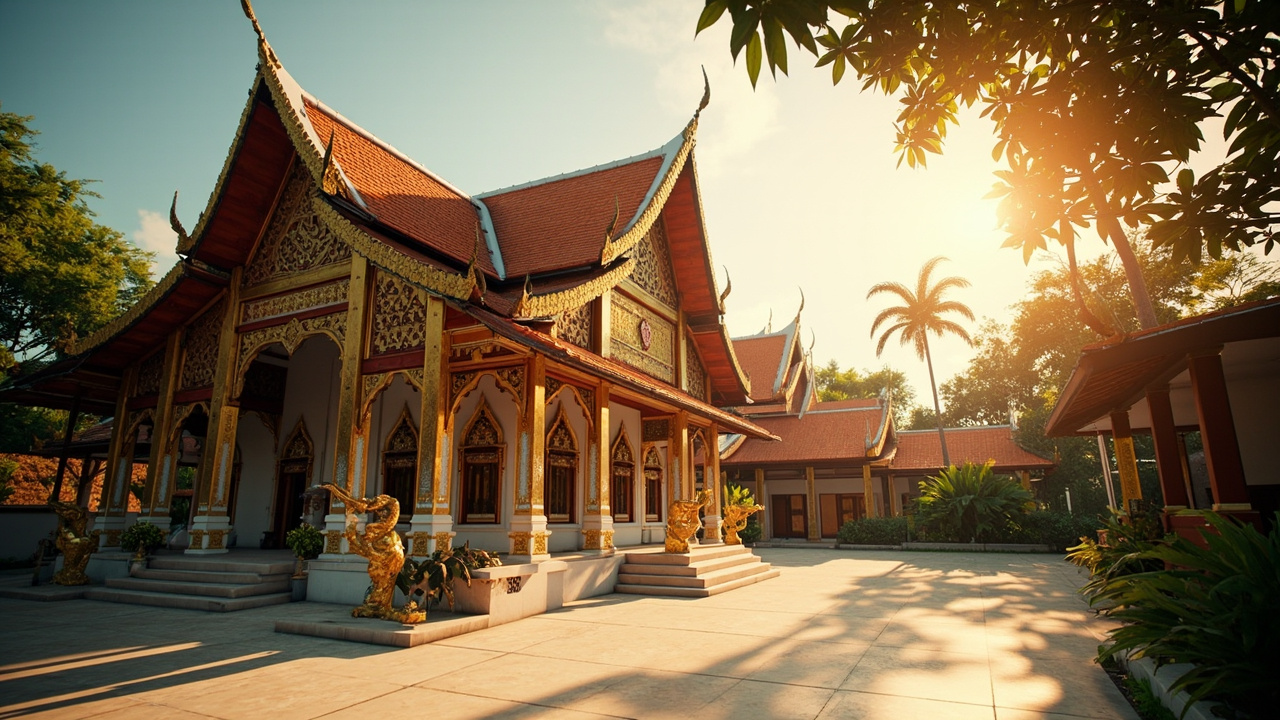
- 여러 사원을 방문하며 불교 철학과 전통에 대해 배우는 귀중한 경험을 할 수 있습니다. 특히 왓 크루와타이(Wat Khukhak)와 같은 사원은 태국 불교의 중요한 요소를 보여줍니다.
5. 타이 전통 음악 및 춤 공연:
- 지역 축제나 문화 행사에서 태국 전통 음악과 춤 공연을 관람할 수 있습니다. 이를 통해 태국의 역사적 배경과 문화적 가치를 이해할 수 있습니다.
6. 타이 전통 시장 탐방:
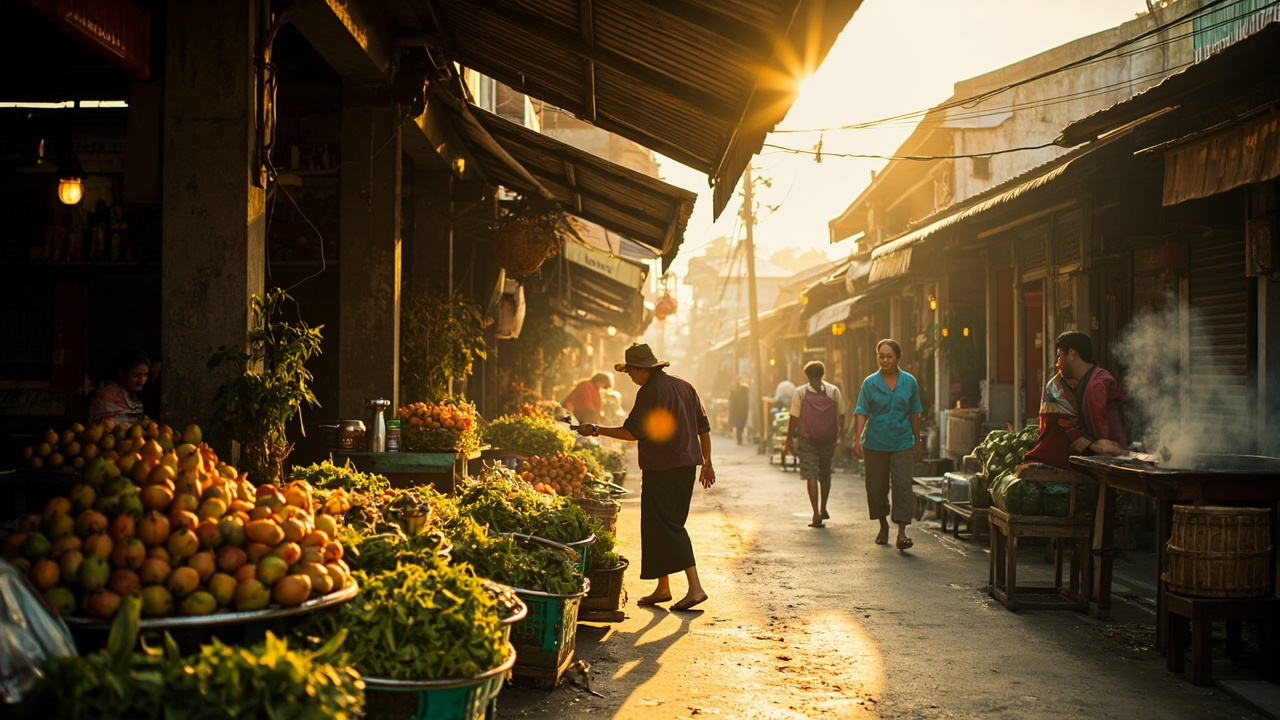
- 방니앙시장과 같은 지역 시장을 방문하여 전통 음식, 공예품 및 문화를 직접 경험할 수 있으며, 현지 상인들과 소통하여 그들의 역사와 문화를 들을 수 있습니다.
이러한 탐방 경험들은 카오락의 역사적 전통과 문화를 깊게 이해하고, 그 지역의 고유한 정체성을 체험하는 데 도움이 됩니다. 카오락에서의 문화 탐방을 통해 잊지 못할 소중한 경험을 만들어보세요!
Cosa rende speciale Cultural Heritage a Takua Pa per i turisti?
Il patrimonio culturale di Takua Pa offre un'esperienza unica ai turisti per diversi motivi:
1. Storia Ricca: Con una storia antica e legami con la coltivazione del tè e l'estrazione di stagno, Takua Pa fu un importante centro commerciale nel periodo coloniale, visibile nell'architettura e nei siti storici.
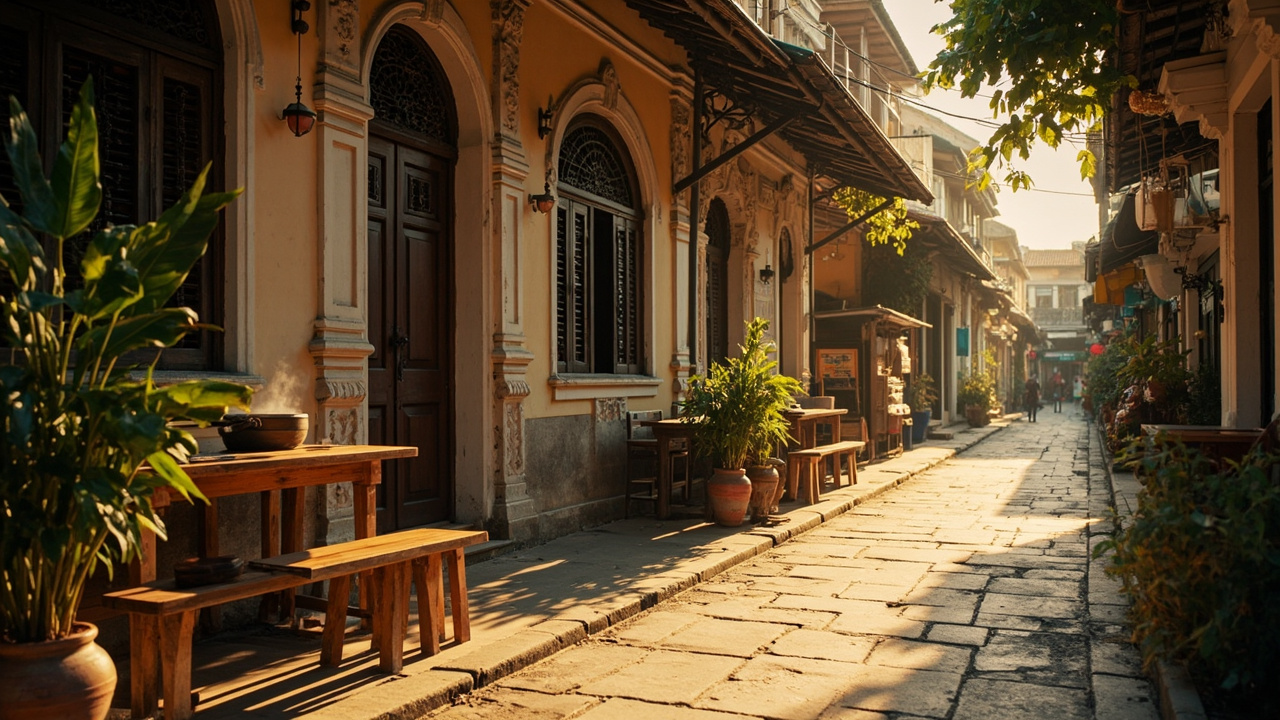
2. Architettura Sino-Portoghese: Famosa per i suoi edifici storici e negozi a colonna, la città offre uno sguardo sulla fusione di culture diverse, rendendola ideale per la fotografia.
3. Templi Culturali: Takua Pa ospita diversi templi buddisti e cinesi, come il Wat Phra Thong, noto per la sua statua di Buddha parzialmente sotterrata, attirando visitatori e pellegrini.
4. Festival Tradizionali: Eventi culturali come il Festival dei Vegetariani e il Loy Krathong permettono ai turisti di partecipare e comprendere le tradizioni locali, arricchite da cerimonie e cibo.
5. Mercati Locali: Mercati come quello di Bang Niang offrono l'opportunità di scoprire la cultura alimentare locale, assaporando piatti tradizionali e acquistando artigianato.
6. Comunità Locale Accogliente: La comunità di Takua Pa è nota per la sua ospitalità, permettendo ai turisti di immergersi nella vita quotidiana e nelle tradizioni.
7. Cultura della Pesca e del Mare: Essendo una città costiera, la pesca è parte integrante della cultura locale, offrendo ai visitatori l'opportunità di apprendere pratiche tradizionali.
8. Siti Naturali e Patrimonio Ambientale: La vicinanza a parchi nazionali e riserve naturali, come il Khao Lak-Lam Ru National Park, collega la cultura locale alla bellezza naturale della regione.
Questi elementi fanno del patrimonio culturale di Takua Pa un'esperienza coinvolgente, permettendo ai turisti di approfondire le tradizioni e la storia di questa affascinante regione della Thailandia.
Asked 27 Mar 2025
What should I know about Local Legends around Khao Lak if I'm planning a trip?
If you're planning a trip to Khao Lak, exploring local legends and folklore can enhance your cultural experience. Here are some key points:
1. The Legend of Si Phang Nga: This tale features mythical beings and their spirits inhabiting the limestone cliffs and islands of Phang Nga Bay, reflecting the region's rich cultural heritage.
2. The Tale of the Thai People: There are many legends recounting the struggles and resilience of the Thai people, especially in relation to natural disasters like the 2004 tsunami.
3. The Spirit of the Trees: Locals tell stories of guardian spirits, "Phi," believed to protect trees and nature, often honored through small altars or offerings.
4. The Legend of the Serpent King: This prevalent legend tells of a powerful ocean serpent that ensures safe travel for fishermen and boaters.
5. Monuments and Memorials: Local monuments commemorate the bravery and selflessness shown by individuals during the tsunami, infused with legends of heroism and community spirit.
6. Visiting Cultural Sites: Engaging with legends often involves visiting temples and community centers where elders share stories orally.
7. Local Festivals: Participating in festivals can bring legends to life through reenactments, traditional dances, and cultural performances.
8. Connecting with Locals: Talking to residents or guides can provide personal stories and legends that are meaningful to them, offering a deeper insight into the culture.
By understanding these local legends, you can enrich your travel experience in Khao Lak and appreciate the community's traditions and cultural heritage. Enjoy your journey surrounded by these captivating stories! ️
Asked 27 Mar 2025
Nella regione di Khao Lak, vicino a Bang Sak Beach, ci sono diversi siti storici e culturali interessanti da esplorare:
1. Tsunami Memorials: Siti commemorativi del tsunami del 2004, tra cui il Polizia Boat 813 Memorial a Bang Niang, dove si trova il relitto di una barca della polizia.
2. Wat Khuk Khak: Un tempio buddista locale che offre un'atmosfera tranquilla e opportunità per osservare i rituali e la vita quotidiana dei residenti.
3. Takua Pa Old Town: Un'antica città a circa 30 km a nord di Bang Sak Beach, nota per la sua architettura sino-portoghese, negozi e il mercato della Sunday Walking Street.
4. Cultural Center (Community Memorial): Un centro situato nel mercato di Bang Niang che celebra la storia e la cultura locale, con esposizioni sulla storia di Khao Lak.
5. Royal Thai Navy Turtle Conservation Center: Un centro educativo che fornisce informazioni sulla fauna marina e l'impegno della comunità per la conservazione.
6. Ban Nam Khem Tsunami Memorial Park: Un parco commemorativo a nord di Khao Lak dedicato alle vittime del tsunami, con monumenti e un muro con i nomi delle persone scomparse.
Questi luoghi offrono un'importante comprensione della storia e del patrimonio di Khao Lak, nonché un'opportunità per apprezzare la resilienza della comunità locale. Buon viaggio e goditi la tua visita! ️
Wo kann ich das Beste von Kultur und Geschichte in der Nähe von Khao Lak erleben?
In der Nähe von Khao Lak gibt es zahlreiche Möglichkeiten, die reiche Kultur und Geschichte der Region zu erleben. Hier sind einige empfehlenswerte Orte und Aktivitäten:
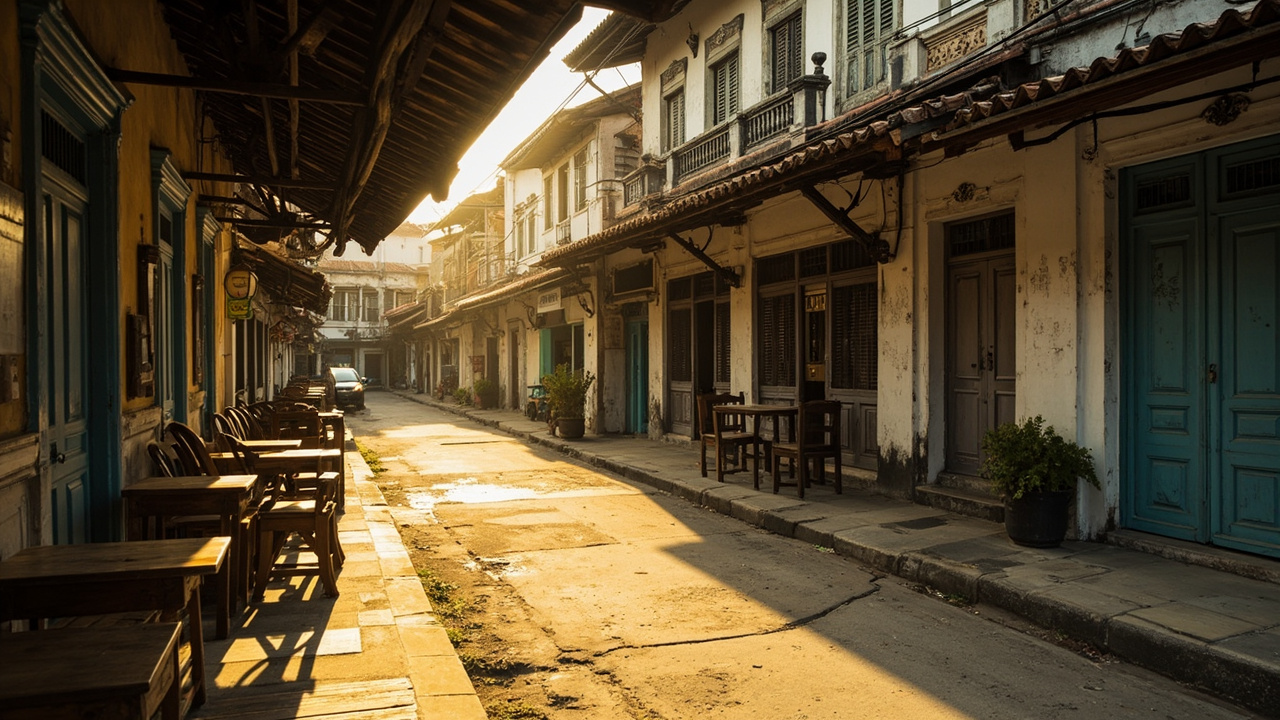
1. Takua Pa Old Town: Etwa 30 km nördlich von Khao Lak gelegen, bietet die Altstadt von Takua Pa Einblicke in die Geschichte der Region mit gut erhaltener sino-portugiesischer Architektur. Die Straßen sind gesäumt von alten Geschäftshäusern, Cafés und Märkten.
2. Tsunami-Gedenkstätten: Khao Lak war stark vom Tsunami 2004 betroffen. Die Police Boat 813 Memorial in Bang Niang und das Ban Nam Khem Tsunami Memorial Park erinnern an die Opfer und die Ereignisse dieser Tragödie.
3. Temples (Wat): Die Umgebung hat verschiedene buddhistische Tempel, die architektonische Schönheit und kulturellen Reichtum bieten. Der Wat Khuk Khak ist ein beliebter Tempel für einen Besuch.
4. Royal Thai Navy Turtle Conservation Center: Dieses Zentrum zeigt die Bemühungen um den Schutz von Meeresschildkröten und bietet Einblicke in lokale Naturschutzprojekte.
5. Kulturveranstaltungen: Achten Sie auf lokale Festivals und Veranstaltungen, wie Loy Krathong, die viele Möglichkeiten bieten, mehr über die Traditionen zu erfahren und an Feierlichkeiten teilzunehmen.
6. Kochkurse: Einige lokale Restaurants und Resorts bieten Kochkurse an, um traditionelle Thai-Gerichte zuzubereiten.
7. Marktbesuche: Lokale Märkte wie der Bang Niang Markt sind ideal, um Souvenirs und frische Lebensmittel zu kaufen und die örtliche Kultur und Gastronomie zu erleben.
Diese Orte und Erlebnisse bieten einen umfassenden Einblick in die Kultur und Geschichte von Khao Lak und ermöglichen es Ihnen, die Seele der Region kennenzulernen. 🇹🇭
Asked 27 Mar 2025
Takua Pa는 여행자에게 여러 가지 특별한 이유로 매력적인 관광 명소입니다. 그 이유들은 다음과 같습니다:
1. 역사적 가치: Takua Pa는 19세기 중반에 약탈된 주석 광산으로 유명하며, 지역 역사와 문화를 반영하는 다양한 건축물과 유적지를 통해 여행자들은 더욱 깊이 있는 이해를 가질 수 있습니다.
2. 중국-포르투갈 건축: 구시가지의 전통적인 중국-포르투갈 스타일의 건축물은 여행자들에게 과거의 아름다움을 감상할 기회를 제공합니다. 잘 보존된 거리와 건물은 사진 찍기에 좋은 장소입니다.
3. 지역 시장: 매주 열리는 Takua Pa 시장은 신선한 과일, 채소, 해산물 및 다양한 지역 음식을 구매할 수 있는 곳으로, 여행자들이 현지 문화를 경험할 수 있는 기회를 제공합니다.
4. 자연과의 조화: 아름다운 자연 경관이 많아 하이킹과 탐험을 즐길 수 있으며, 인근 국립공원의 산과 폭포는 자연을 사랑하는 여행자들에게 이상적입니다.
5. 근접한 관광명소: 카오락과 가까워 쉽게 접근할 수 있으며, 해변과 주변 섬, 국립공원에서 다양한 야외 활동을 즐길 수 있습니다.
6. 전통 축제: 다양한 지역 축제가 열려 여행자들이 지역 문화와 관습을 직접 경험하고, 생동감 넘치는 분위기를 느낄 수 있습니다.
7. 지역 사회의 문화: 지역 주민과의 유대 관계 형성이 가능하며, 따뜻한 환대를 통해 의미 있는 경험을 할 수 있습니다.
8. 자연 보호 프로젝트: 여러 자연 보호 활동에 참여할 기회가 있어 환경 문제에 대한 인식을 높이고 기여할 수 있습니다.
이러한 요소들 덕분에 Takua Pa는 단순한 관광지를 넘어 깊이 있는 경험과 폭넓은 문화적 이해를 제공하는 곳으로, 여행자들은 이곳에서 의미 있는 시간을 보낼 수 있습니다. ️
What makes Sites historiques unique in Bang Muang for travelers?
The historical sites in Bang Muang provide travelers with a unique insight into the region's rich cultural heritage and history. Key aspects include:
1. Cultural Significance: The area reflects a blend of various cultural influences, offering travelers a chance to understand local customs and traditions.
2. Historical Temples: Beautiful Buddhist temples (wats) showcase stunning architecture and serve as community hubs, offering insights into Thai Buddhism.
3. Tsunami Memorials: Memorials like the Tsunami Memorial Park honor the victims of the 2004 tsunami and highlight the community's resilience.
4. Colonial Architecture: Some buildings from the colonial era illustrate unique architectural styles that narrate the region's trade history.
5. Local Markets and Traditions: Engaging with local markets allows travelers to witness traditional practices and hear historical narratives from vendors.
6. Educational Opportunities: Many sites offer guided tours and informational displays to educate visitors about the local history.
7. Art and Artifacts: Certain locations house local art and artifacts that represent the region's heritage, including traditional crafts and tools.
8. Community Engagement: Interactions with local residents enrich the experience as they share personal stories about the area's history.
9. Proximity to Nature: Historical sites are often situated in scenic areas, allowing visitors to reflect on history amidst natural beauty.
10. Cultural Events: Depending on the timing of the visit, travelers might experience local festivals that celebrate the area's heritage.
These components make historical sites in Bang Muang an essential part of the travel experience, fostering appreciation for the local culture, history, and community resilience. ️
Asked 27 Mar 2025
Cosa rende speciale Cultural Heritage Exploration a Bang Sak Beach per i turisti?
Cultural Heritage Exploration a Bang Sak Beach offre ai turisti un'esperienza unica e arricchente grazie a diversi fattori:
1. Storia Locale: La storia complessa del luogo include eventi significativi, come la vita dei pescatori e l'impatto del tsunami del 2004, con memoriali commemorativi.
2. Templi Tradizionali: Templi buddisti, come Wat Khuk Khak, consentono ai turisti di esplorare la spiritualità e le tradizioni culturali locali.
3. Festival e Tradizioni: Varie celebrazioni, come il Loy Krathong, offrono l'opportunità di partecipare a eventi autentici e coinvolgenti.
4. Mercati Locali: I mercati di Bang Sak presentano cucina tradizionale e artigianato locale, creando un'atmosfera vivace e autentica per interagire con la comunità.
5. Interazione con la Comunità: I visitatori possono partecipare a workshop culturali, come corsi di cucina e artigianato.
6. Bellezze Naturali: L'area offre panorami mozzafiato e una natura incontaminata, ideale per l'esplorazione culturale.
7. Punto di Riferimento per il Turismo Responsabile: Attività che supportano l'economia locale e la conservazione ambientale rendono l'esperienza ancora più significativa.
Questi elementi rendono Bang Sak Beach un luogo affascinante per i turisti interessati alla cultura e alle tradizioni thailandesi.
Asked 27 Mar 2025
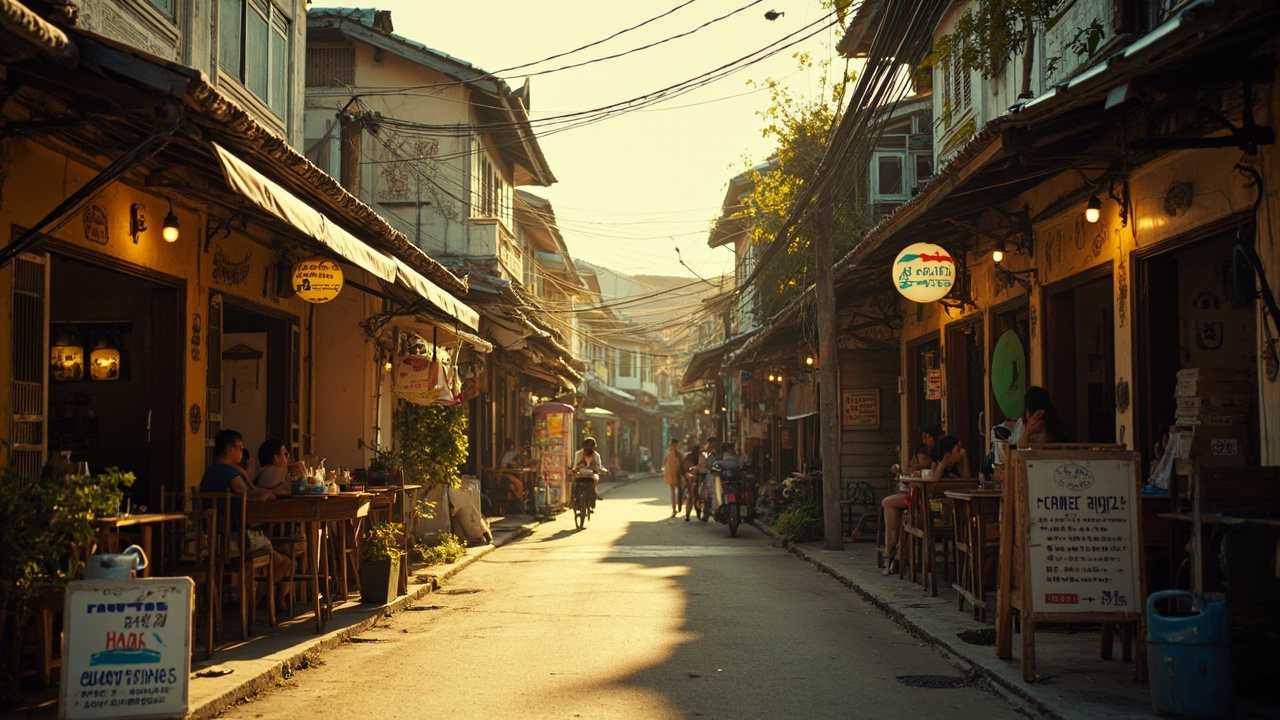
For a cultural visit around Khao Lak, combine local temples, Takua Pa's historic areas, markets and tsunami remembrance sites. Dress respectfully at religious places, check opening times and consider a local guide when the history or community context is central to the visit.
What should I know about the historical background around Khuk Khak if I'm planning a trip?
If you're planning a trip to Khuk Khak, here are some key points regarding its historical background:
1. Historical Significance: Khuk Khak, part of the Khao Lak region, has a rich history influenced by various cultural developments evident in its architecture, traditions, and lifestyle.
2. Impact of the Tsunami: The 2004 Indian Ocean tsunami significantly affected Khuk Khak, leading to immense loss. The local community has shown resilience in reconstruction, with memorials such as the Police Boat 813 Memorial honoring the victims.
3. Fishing Community: Traditionally a fishing village, many locals depend on the ocean for their livelihood, which shapes their cultural identity and practices.
4. Sino-Portuguese Architecture: Nearby Takua Pa features Sino-Portuguese architecture from the 19th-century tin mining era, reflecting the region's trade history.
5. Cultural Heritage: The area exhibits a blend of Thai and cultural influences, notably from Chinese and Malay communities, seen in local customs and festivals.
6. Tourism Development: Since the late 1990s, tourism in Khao Lak, including Khuk Khak, has developed significantly, enhancing the local economy and cultural awareness.
7. Archaeological Significance: Nearby archaeological sites suggest human settlement for thousands of years, revealing important artifacts and insights into early communities.
8. Memorials and Museums: Several memorials to the tsunami victims exist, offering opportunities to learn about the disaster's impact and community resilience.
9. Local History: Engaging with local guides or community members can provide personal insights into how historical events shaped Khuk Khak.
10. Cultural Tours: Participating in guided cultural tours can enhance your understanding of the area's heritage through visits to significant historical sites.
Understanding the historical background of Khuk Khak will enrich your trip and foster a deeper connection with the local culture and community. Enjoy your visit!
Asked 27 Mar 2025
Can you recommend places for Historical Background in Khao Lak?
Absolutely! Khao Lak has a rich history and several places that reflect its cultural heritage and historical significance. Here are some recommendations for exploring the historical background of Khao Lak:
1. Tsunami Memorials:
- Police Boat 813 Memorial: This memorial features a Thai Navy patrol boat that was swept ashore by the tsunami in 2004, serving as a powerful reminder of the tragedy and the lives lost, complete with informational plaques.
- Ban Nam Khem Tsunami Memorial Park: Features a curved wall with the names of tsunami victims and a statue commemorating those who lost their lives, providing a place for reflection.
2. Khao Lak-Lam Ru National Park:
- The park's headquarters has historical significance, as the area was used to protect natural environments and preserve local biodiversity. It offers trails through ancient forest leading to scenic viewpoints.
3. Takua Pa Old Town:
- About 30 kilometers north of Khao Lak, this town is known for its well-preserved Sino-Portuguese architecture, reflecting the region's tin mining history. It's great for strolling, visiting old shops and cafes, with a vibrant Sunday Walking Street Market.
4. Wat Khuk Khak:
- This local Buddhist temple served as a temporary morgue post-tsunami. It features traditional Thai architecture and is a peaceful place for reflection and understanding local spiritual practices.
5. Little Amazon:
- While not strictly a historical site, the mangrove forests near Takuapa are tied to local history and livelihoods, and a boat trip through the mangroves offers insights into traditional uses.
6. Local Cultural Centers and Museums:
- Look for small local museums or cultural centers that may showcase the region's history, particularly focusing on the tsunami's effects and recovery efforts.
These sites provide a deeper understanding of Khao Lak's historical context and the resilience of its community. Enjoy exploring the rich heritage of this beautiful area! ️
Asked 12 Apr 2025
Can you recommend places for Traditional Arts in Khao Lak?
Certainly! Khao Lak has a rich cultural heritage and offers several opportunities to explore traditional arts. Here are some recommended places and activities:
1. Local Craft Markets:
- Bang Niang Market: Explore handmade textiles, pottery, and wooden carvings. It's ideal for authentic souvenirs and observing traditional craftsmanship.
2. Thai Cooking Classes:
- Participate in cooking classes that teach traditional recipes and techniques, often including cultural insights and the history behind the dishes.
3. Art Galleries:
- Visit local galleries, such as the Khao Lak Art Gallery, showcasing works by Thai artists that reflect the region's culture and traditions.
4. Temple Visits:
- Visit local temples like Wat Khuk Khak to see traditional Thai architecture and religious art, highlighting intricate designs and decorations.
5. Local Performances:
- Look out for cultural performances of traditional Thai dance or music at local events, markets, or resorts, showcasing traditional costumes and storytelling.
6. Workshops:
- Join workshops on traditional crafts such as batik painting, silk weaving, or woodworking to gain hands-on experience with local artisans.
7. Takua Pa Old Town:
- A short drive from Khao Lak, this area features Sino-Portuguese architecture and local craftsmanship, allowing you to appreciate the blend of cultural influences.
By visiting these locations, you'll gain a deeper understanding of the cultural heritage of Khao Lak and Thailand. Enjoy your cultural exploration!
Asked 12 Apr 2025
Können Sie Orte für Local Legends in Khao Lak empfehlen?
Natürlich! Khao Lak hat eine reiche Kultur und viele lokale Legenden, die mit der Geschichte der Region verbunden sind. Hier sind einige Orte und Erlebnisse, die Ihnen helfen können, mehr über die lokalen Sagen und Traditionen zu erfahren:
1. Wat Khuk Khak:
- Ein örtlicher Tempel, der Geschichten über die lokale Kultur und Traditionen erzählt.
2. Police Boat 813 Memorial:
- Ein Denkmal, das an die Opfer des Tsunamis von 2004 erinnert und die Resilienz der Gemeinde symbolisiert.
3. Takua Pa Old Town:
- Eine historische Stadt mit sino-portugiesischer Architektur und Geschichten über die Einwanderer.
4. Lokale Märkte:
- Besuch der Märkte in Khao Lak, um mit Einheimischen über lokale Bräuche und Legenden zu sprechen.
5. Dörfer der Moken (Sea Gypsies):
- Erkundung der Gemeinschaften der Moken, die ihre eigenen Geschichten und Traditionen haben.
6. Kulturzentren:
- Museen oder Kulturzentren, die Geschichten über lokale Mythen und kulturelle Veranstaltungen präsentieren.
7. Naturlegenden:
- Konsultation örtlicher Führer über Legenden rund um natürliche Orte wie Mangroven und Berge.
Indem Sie diese Orte besuchen und mit den Einheimischen sprechen, können Sie tiefere Einblicke in die reichen lokalen Legenden und die Kultur Khao Laks gewinnen. Viel Spaß beim Erkunden!
Asked 12 Apr 2025
Are there any cultural sites to visit in Takua Pa?
Yes, Takua Pa is rich in cultural heritage, offering several interesting sites to explore:
1. Takua Pa Old Town: This historic area features charming Sino-Portuguese architecture, quaint shops, cafés, and local food, making it a delightful spot for a stroll.
2. Wat Ta Kua Pa (Wat Phra Thong): Known for its beautiful architecture and serene atmosphere, this temple is significant for learning about Buddhist practices and local traditions.
3. Takua Pa Cultural Center: This center showcases the history and culture of Takua Pa, including exhibitions on local traditions, historical artifacts, and the influence of tin mining.
4. Tsuji Shrine: A culturally significant shrine that reflects local traditions and beliefs, offering insight into the spiritual aspects of the community.
5. Street Art: Throughout Takua Pa, you can find murals and street art that reflect local culture and history, providing enjoyable exploration opportunities.
6. Local Markets: Visiting local markets, such as the Takua Pa Fresh Market, is a great way to experience culture, sample local foods, buy traditional products, and engage with the community.
These sites provide a rewarding glimpse into the rich heritage and traditions of Takua Pa. Enjoy your cultural exploration! .
Asked 13 Apr 2025
How can exploring local heritage sites in Khao Lak enhance my understanding of the community's resilience?
Visiting sites like the Police Boat 813 Memorial and Ban Nam Khem Tsunami Memorial Park offers a poignant glimpse into the community's response to the 2004 tsunami. These memorials not only honor the victims but also reflect the strength and unity of the local people.
• Engaging with local guides can provide deeper insights into how these events shaped the community's identity and culture. Their stories often reveal personal connections to the history, making your visit more impactful.
• Additionally, participating in community-led activities, such as cultural festivals or remembrance events, allows you to experience firsthand how the community actively celebrates its resilience and heritage.
Asked 25 Dec 2025
Khao Lak is rich in traditional crafts like batik painting, silk weaving, and pottery. You can often find workshops at local community centers or markets where artisans share their skills.
• Places like the Bang Niang Market showcase handmade crafts, and you might even find artisans who offer on-the-spot demonstrations. Participating in these workshops not only enhances your appreciation for the craft but also supports local artisans.
Absolutely! The Loy Krathong festival, usually held in November, is a beautiful experience where locals and visitors alike release floating lanterns on the water, symbolizing the letting go of misfortunes.
• You might also want to check out the Vegetarian Festival in October, which features colorful parades and cultural performances. Engaging in these festivals offers a unique opportunity to immerse yourself in local customs and traditions.
Visiting temples like Wat Khuk Khak provides insight into the spiritual practices and community life of the locals. These temples often serve as gathering places where you can witness rituals and daily activities.
• Many temples host community events and festivals that showcase traditional music, dance, and food, creating a vibrant atmosphere. Interacting with locals during these events helps you appreciate the cultural significance of these sites.
To connect with local artisans in Khao Lak, consider visiting craft markets like the Bang Niang Market, where you can find handmade textiles, pottery, and beautiful wooden carvings. This market is not just a shopping destination but also a cultural hub where artisans often share stories about their crafts.
• Participating in workshops is a fantastic way to get hands-on experience. Look for classes that focus on traditional crafts like batik painting or silk weaving. These sessions not only teach you the techniques but also provide insights into the cultural significance behind each art form.
• Another great option is to visit local galleries that showcase the work of Thai artists. Places like the Khao Lak Art Gallery often feature exhibitions reflecting the region's rich cultural heritage and might even host events where you can meet the artists.
Khao Lak hosts a variety of local festivals throughout the year, each offering a unique glimpse into Thai culture. One of the most notable is the Loy Krathong Festival, where locals create floating lanterns to honor the water spirits, creating a magical atmosphere along the waterways.
• These festivals are more than just celebrations; they are opportunities to engage with the community. You'll find traditional music, dance performances, and local cuisine that make these events vibrant and immersive. Don't hesitate to join in the festivities; locals often welcome visitors with open arms.
• To catch the festivals, check local calendars or ask at your accommodation. Each event brings its own charm and variety, so planning your visit around one can enrich your experience of Khao Lak's cultural fabric.