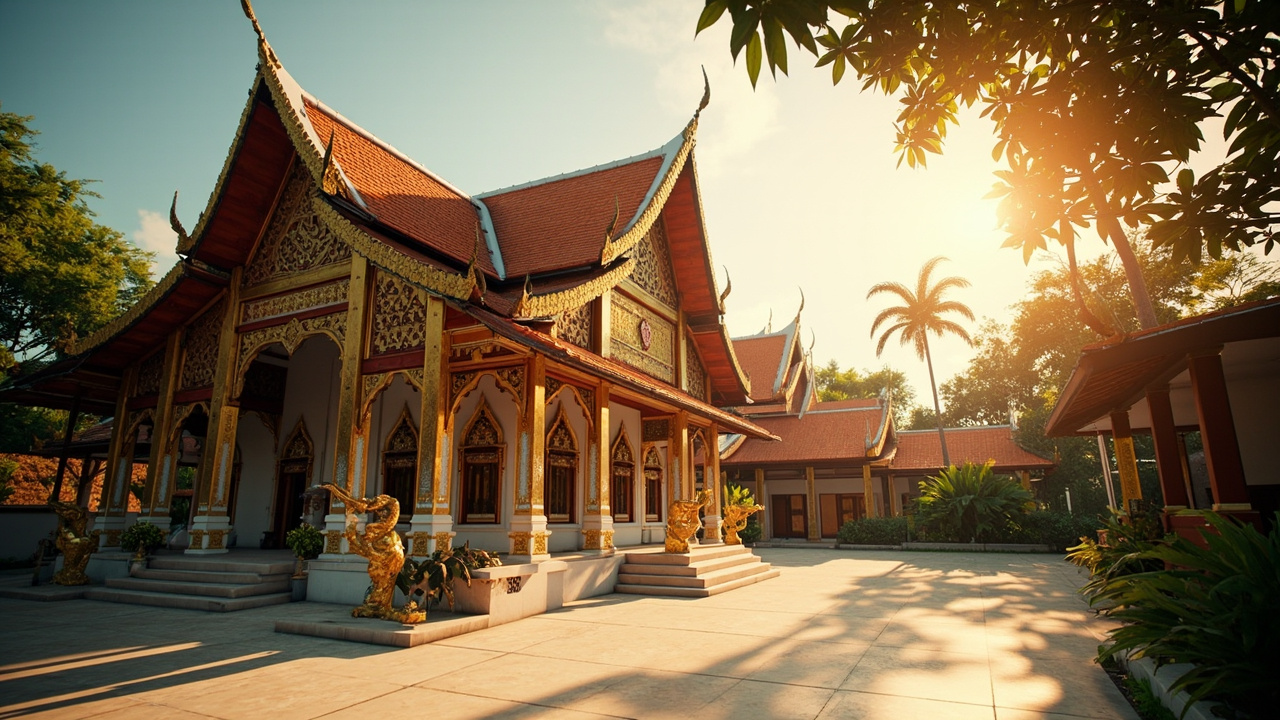
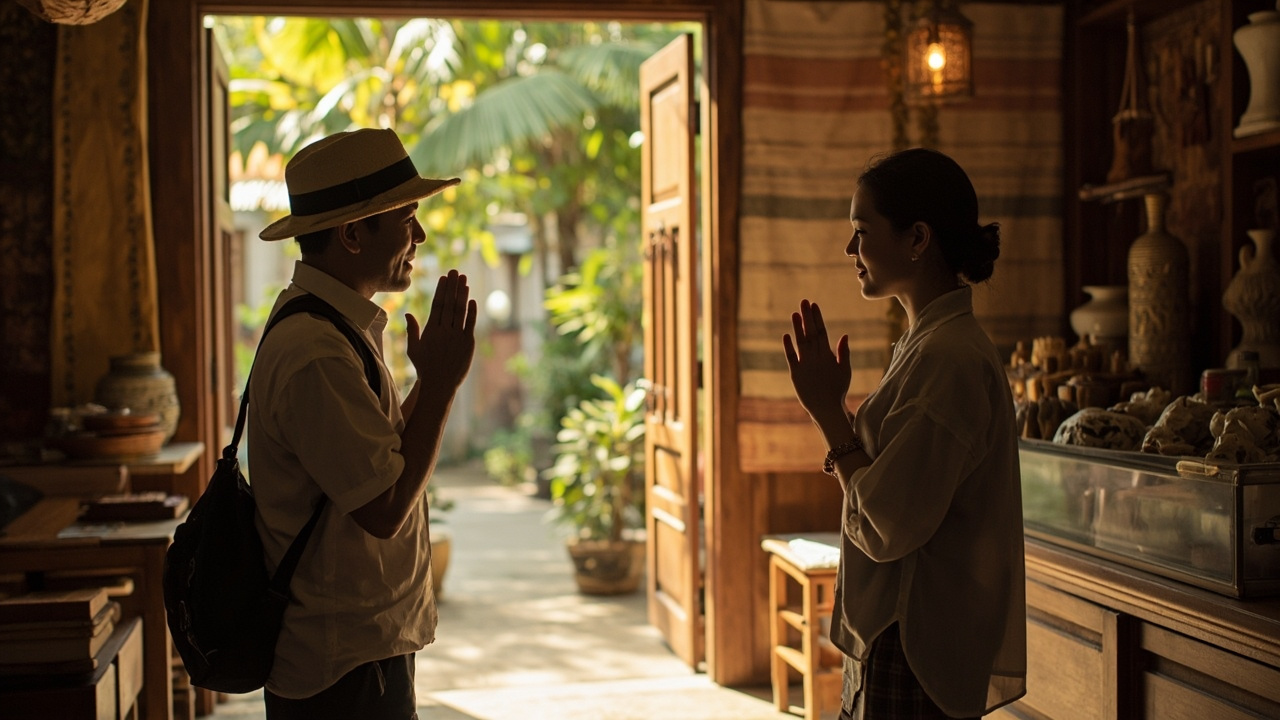
Yes, Khao Lak has cultural customs that visitors should observe for a respectful experience. Key customs include showing respect for Buddhism by dressing modestly at temples, using the traditional "wai" greeting, dressing appropriately in towns, and being aware of the cultural significance of the head and feet. It's also advisable to use your right hand when giving and to avoid public displays of affection. While tipping is appreciated, it is not mandatory. Respect for monks is important, and participating in local festivals can enhance your experience. Engaging with the local community is welcomed, fostering a deeper connection with their culture. Enjoy your visit! .
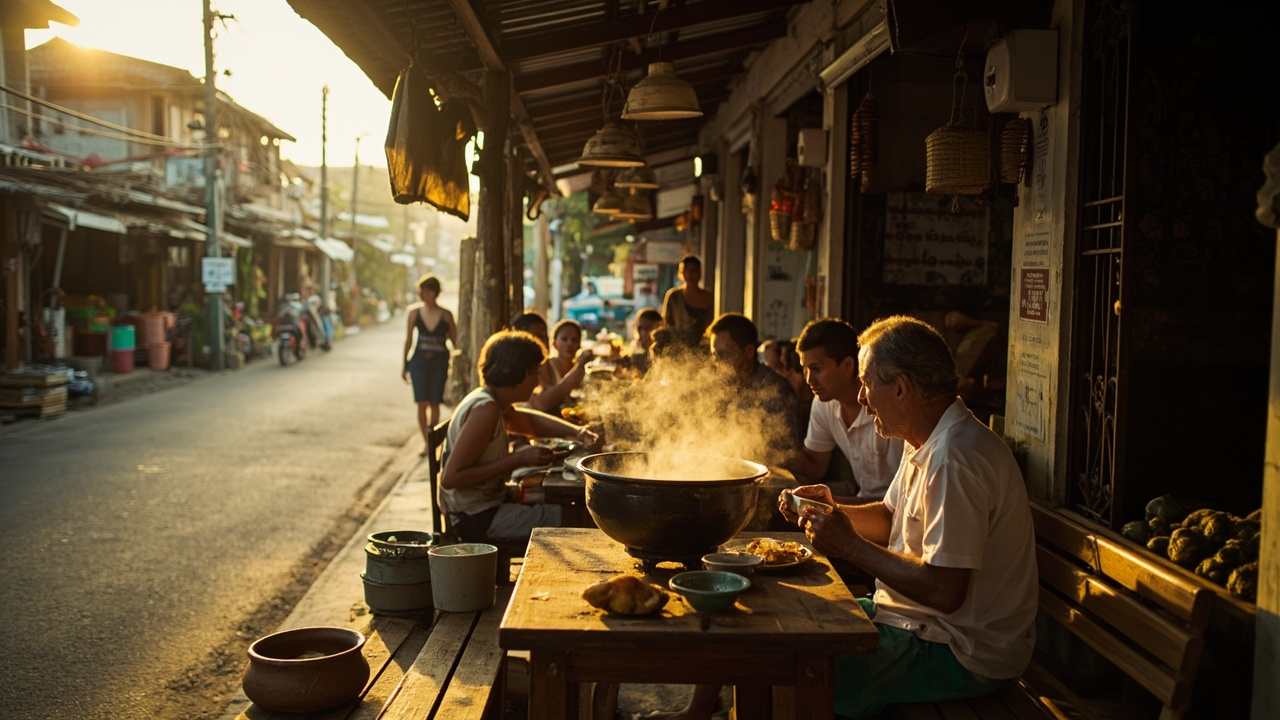
• Always wait for the host to invite you to start eating; it's a sign of respect.
• Use the utensils provided, but it's common to eat with your hands for certain dishes; do so with your right hand only.
• Don't stick your chopsticks upright in a bowl of rice, as this resembles a funeral custom; lay them across the bowl instead.
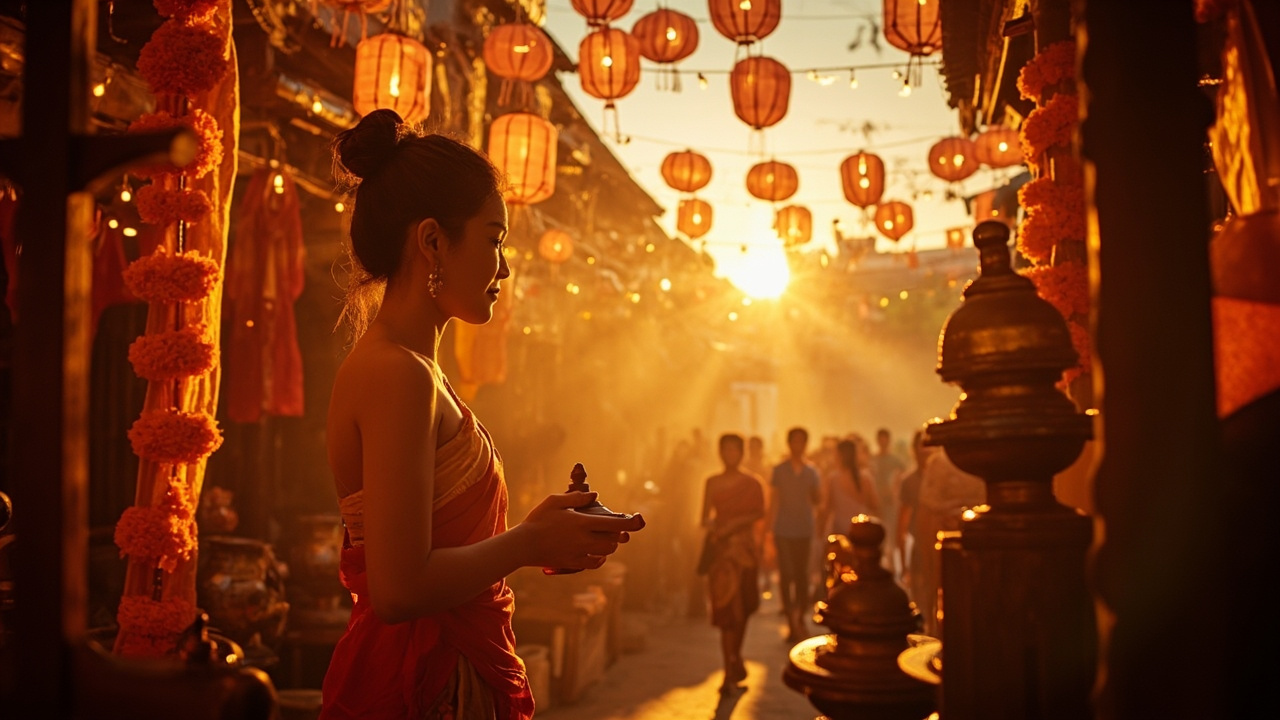
• The Loy Krathong festival, usually in November, involves floating lanterns and is a beautiful sight to witness.
• Songkran, the Thai New Year in April, is celebrated with water fights; participating can be a fun way to engage with locals.
• Check for smaller community festivals as well, as they often showcase traditional performances and local crafts.
• Avoid pointing your feet at people or religious artifacts, as feet are considered the lowest and dirtiest part of the body.
• Refrain from raising your voice or showing anger in public; maintaining composure reflects well on you.
• Do not touch or take photographs of monks without permission; this can be seen as intrusive.
Learning a few basic Thai phrases can greatly enhance your experience. Simple greetings like 'Sawasdee' (hello) and 'Khop Khun' (thank you) go a long way in connecting with locals.
• When asking for something, saying 'Chai' (yes) or 'Mai Chai' (no) can be very useful. Also, 'Khun chao thuk' means 'Do you speak English?', which can help clarify communication.
• And don't forget to try 'Sabai dee mai?', which means 'How are you?'. People love it when you make an effort to speak their language!
When visiting temples, it's essential to dress modestly to show respect. This means wearing clothing that covers your shoulders and knees.
• For women, it's advisable to avoid tight-fitting clothes and to wear a shawl or scarf to cover your arms if needed.
• Men should also steer clear of shorts and tank tops; long pants and shirts with sleeves are ideal.
• Understanding these customs can help you blend in with the locals and enhance your experience.
Absolutely! When engaging with local vendors, a friendly smile and a polite greeting can go a long way in establishing rapport.
• It's customary to use a gentle tone and avoid haggling too aggressively; a respectful approach is appreciated.
• If you're trying to negotiate prices, do it with a sense of humor and friendliness-the locals often respond positively to warmth.
In Khao Lak, birthdays are often celebrated with family gatherings and communal meals rather than lavish parties.
• It's common for the birthday person to treat friends and family to food and drinks, showcasing their generosity.
• Gifts are appreciated, but the focus is more on spending quality time together, which reflects the culture's value on community.
Superstitions play a significant role in daily life. For example, many locals avoid certain numbers, like 4, as it sounds like the word for death in Thai.
• You might notice that some people refrain from sweeping the house after dark because they believe it sweeps away good luck.
• Respecting these beliefs can help you connect better with the community, showing that you value their culture.
Weddings in Khao Lak often blend traditional Thai customs with modern practices, featuring elaborate ceremonies that can last several days. Guests are typically expected to dress nicely and may be invited to participate in rituals that symbolize unity and respect.
• Graduation celebrations are also significant, marked by family gatherings and often a ceremony at the local temple where blessings are sought. It's common for friends and family to gift flowers and small tokens to the graduate, emphasizing the community's role in individual success.